The challenge
Friedrich Joerg has existed since 1920. The original business registration from that year documents its founding. What distinguished the company from the outset was a pronounced technical curiosity: understanding tasks, trying out solutions and developing products that work under real conditions.
This story began with porcelain, terminals and screws. However, any company that has existed for more than a hundred years has to grow beyond its original focus on individual materials and products. For Friedrich Joerg, this meant mastering new materials and processes without losing sight of the actual task.
Our solution
This change took place step by step. Porcelain processing was followed by an in-house thermoset moulding shop. Various thermoset moulding compounds were processed: on the one hand phenol-formaldehyde resins, often dark and known under the brand name Bakelite, on the other hand light-coloured and colourable aminoplastics based on urea and formaldehyde.
Thermoplastic injection moulding came later. The first machines were still simple in design: the material was filled in from above, melted and pushed towards the mould with a piston. There it entered the cavity, the hollow space whose contour reproduces the geometry of the later component. The flash created at the mould parting lines sometimes weighed more than the actual component.
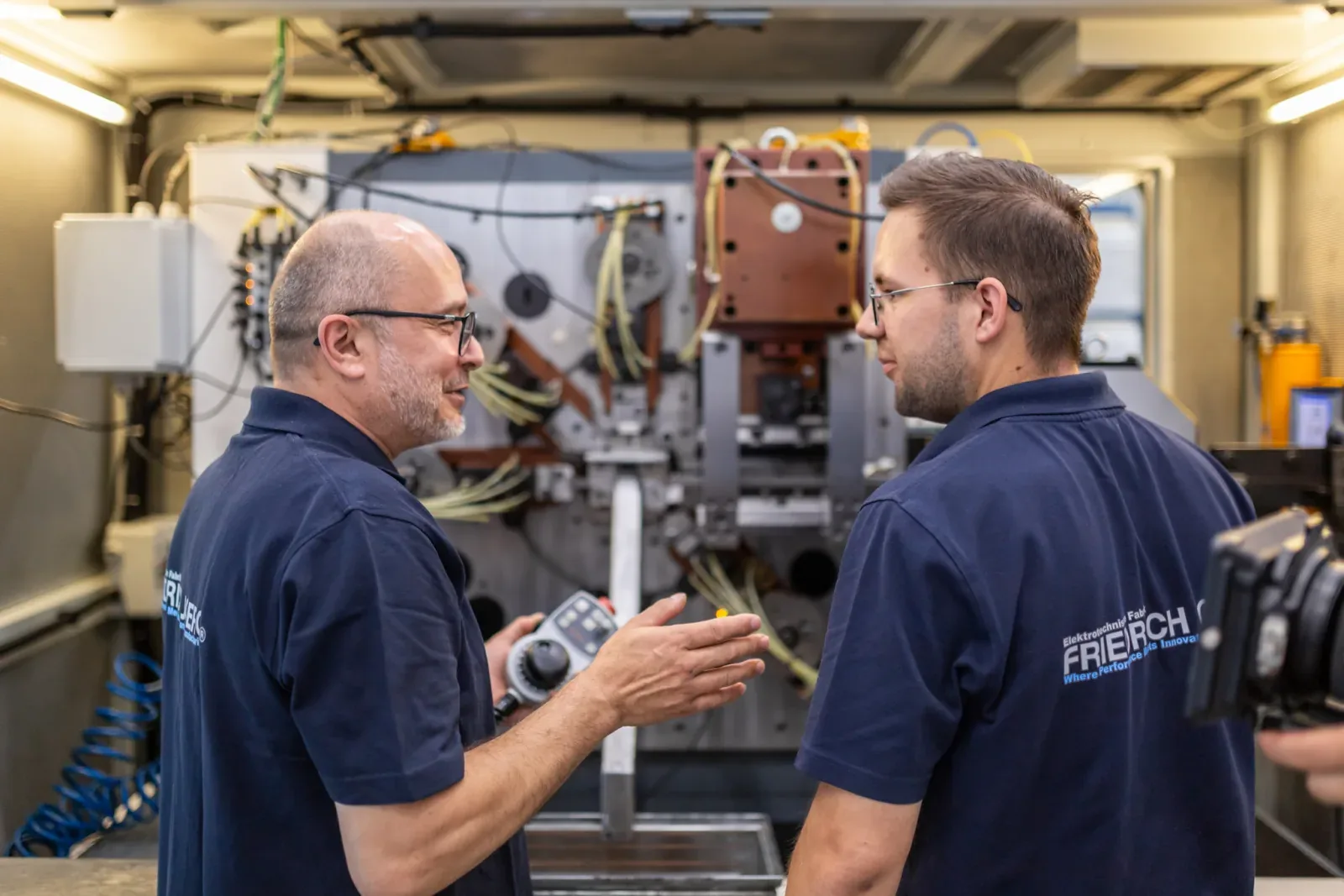
Over the years, precision, the degree of automation and the variety of materials increased. Today, FJ manufactures on modern machines, including from Arburg, and combines different materials and processes into solutions ready for series production.
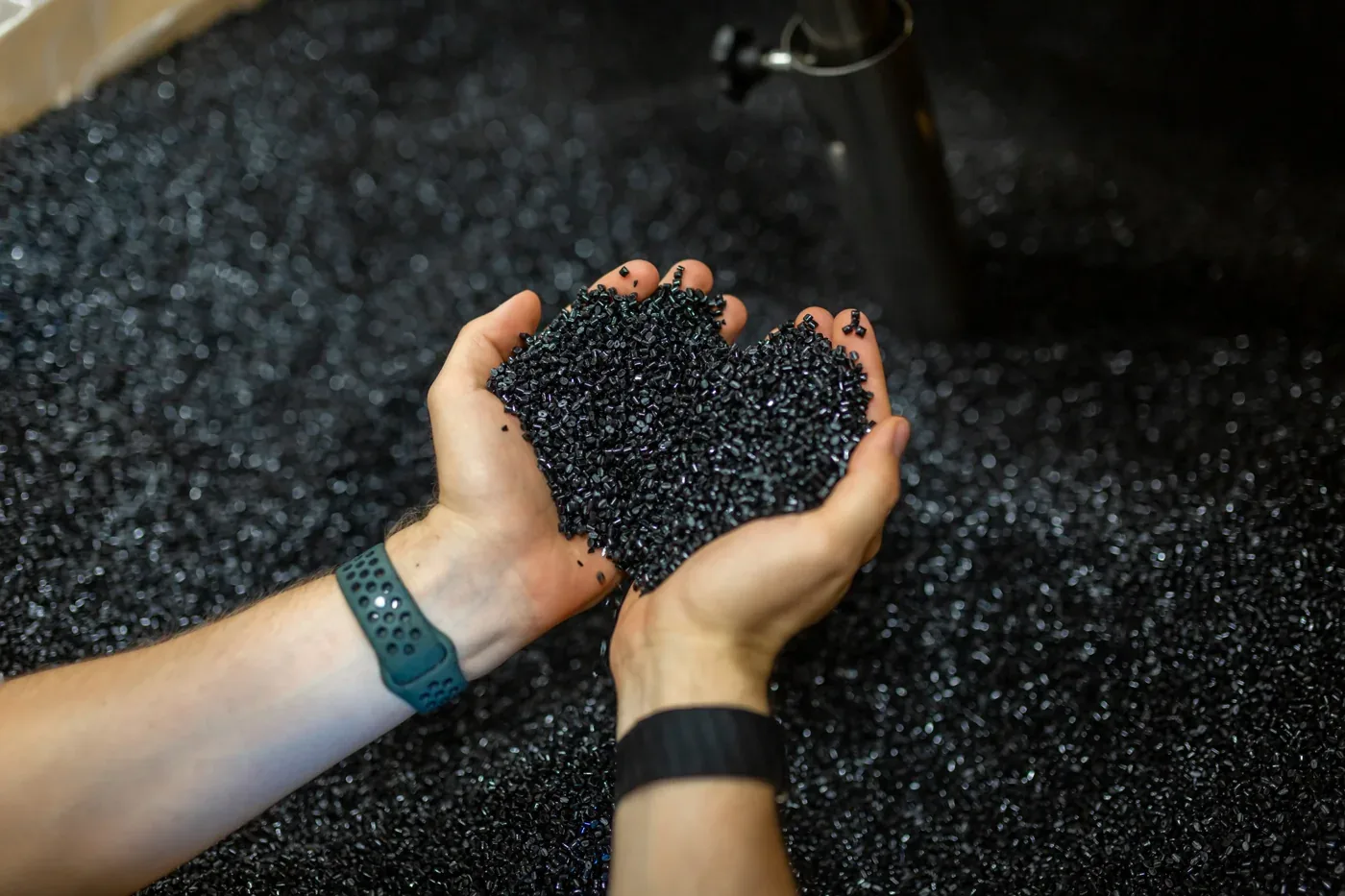
The range of plastics also developed further: from standard plastics such as ABS through blends and engineering thermoplastics to high-performance thermoplastics such as PEEK. Depending on the application, functional additives and reinforcing materials are also used to specifically adjust properties such as temperature resistance, strength, wear behaviour, electrical properties or fire behaviour.
The result
The value of this development lies not in a single material or process, but in knowing how they interact. FJ combines plastic, metal, screws, toolmaking, purchased parts and assembly into complete technical solutions.
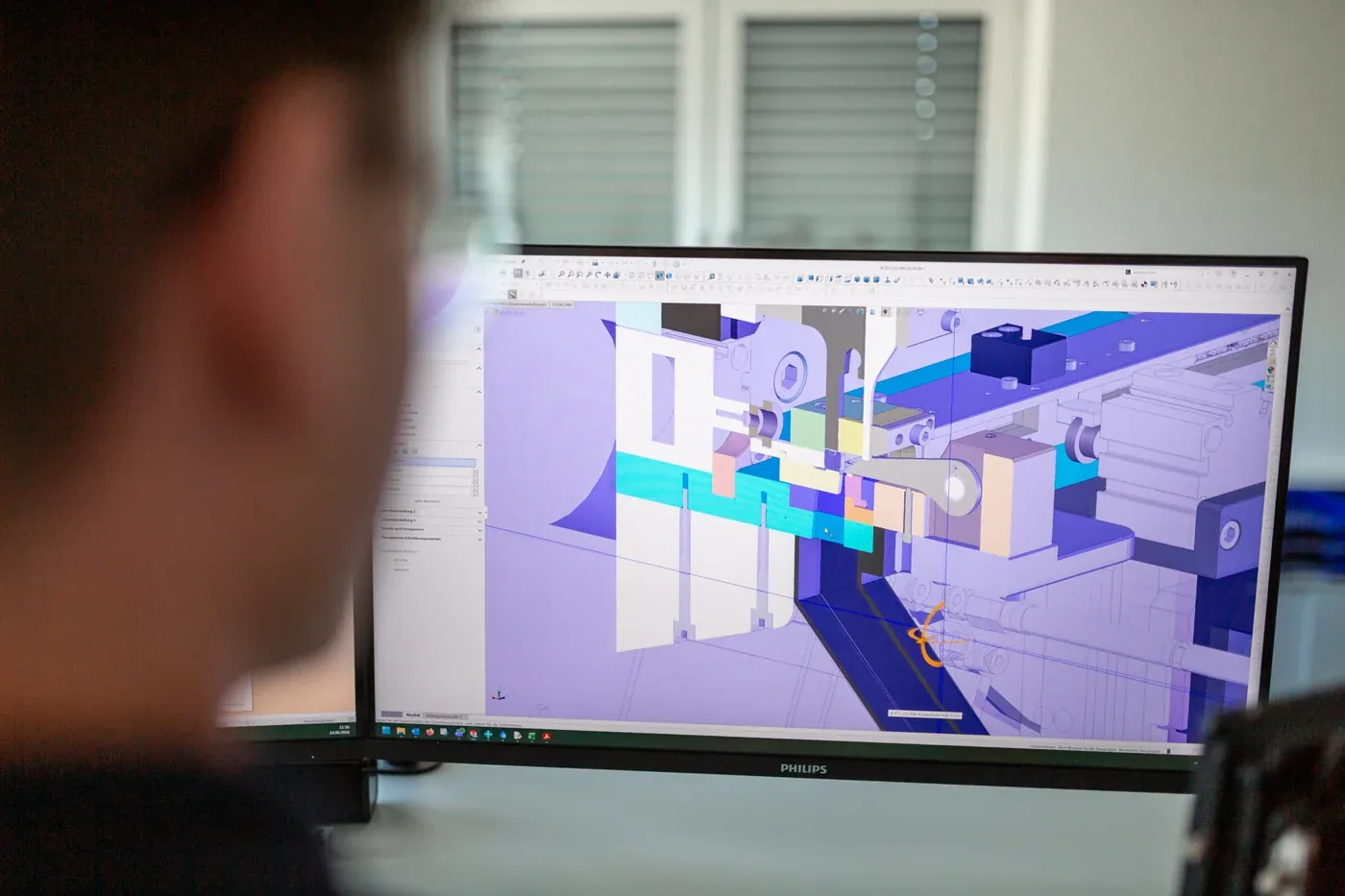
This laid the foundation early on for not just producing individual injection-moulded parts, but supporting customers as a development partner and system supplier. Today, complete assemblies can thus be developed, manufactured, assembled and delivered ready for series production.
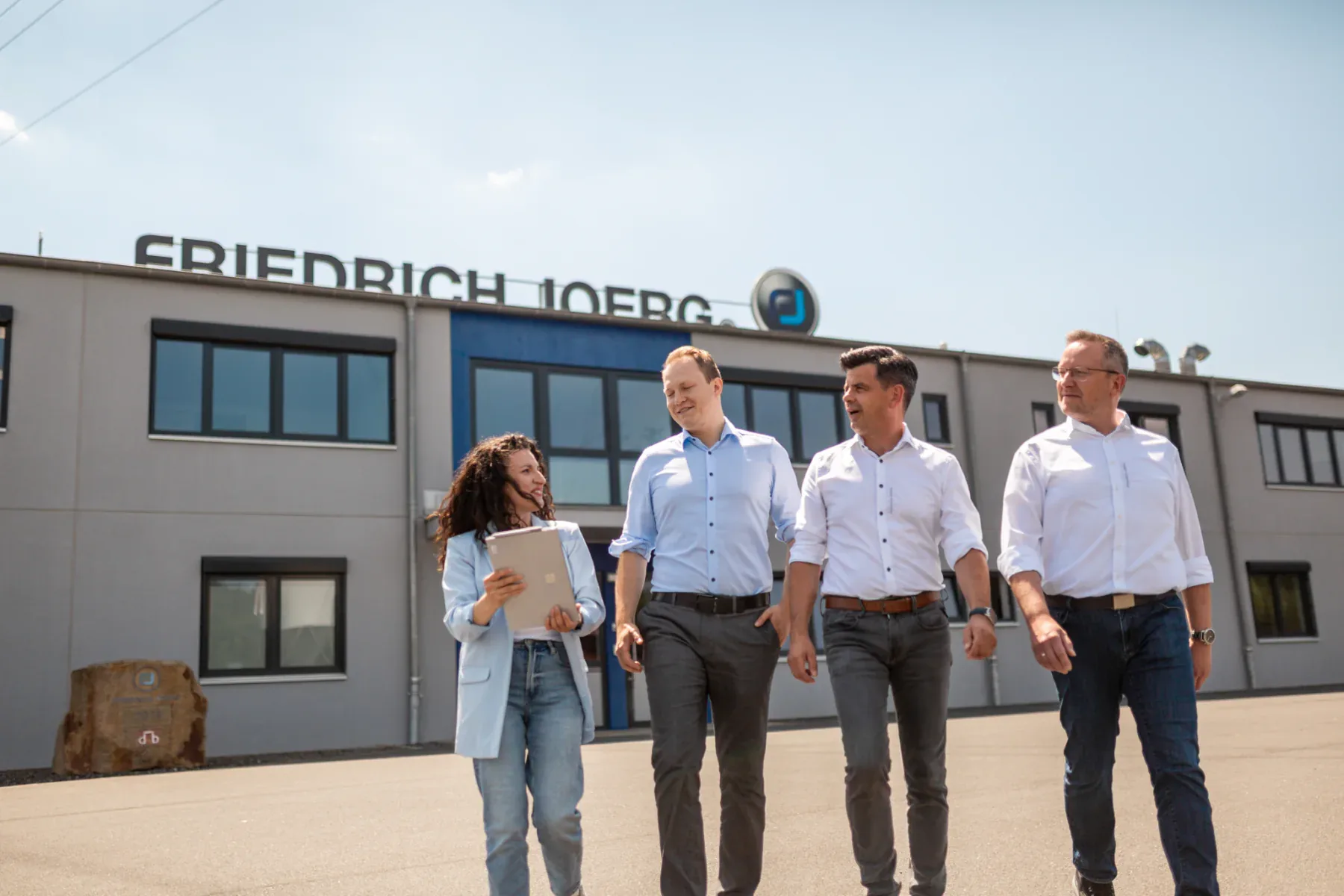
This attitude has been passed on through the generations. Thomas Püls took over the company around 1981. In 2016, the company moved to the “Im Gries” building. Today, Thomas and Tobias Püls run the company together.
“Porcelain and thermosets were followed by thermoplastics and high-performance thermoplastics. The decisive step, however, was the next one: we brought together metal production, toolmaking, purchased parts and assembly, and over decades built up the expertise to realise complete assemblies as a development partner and system supplier.”