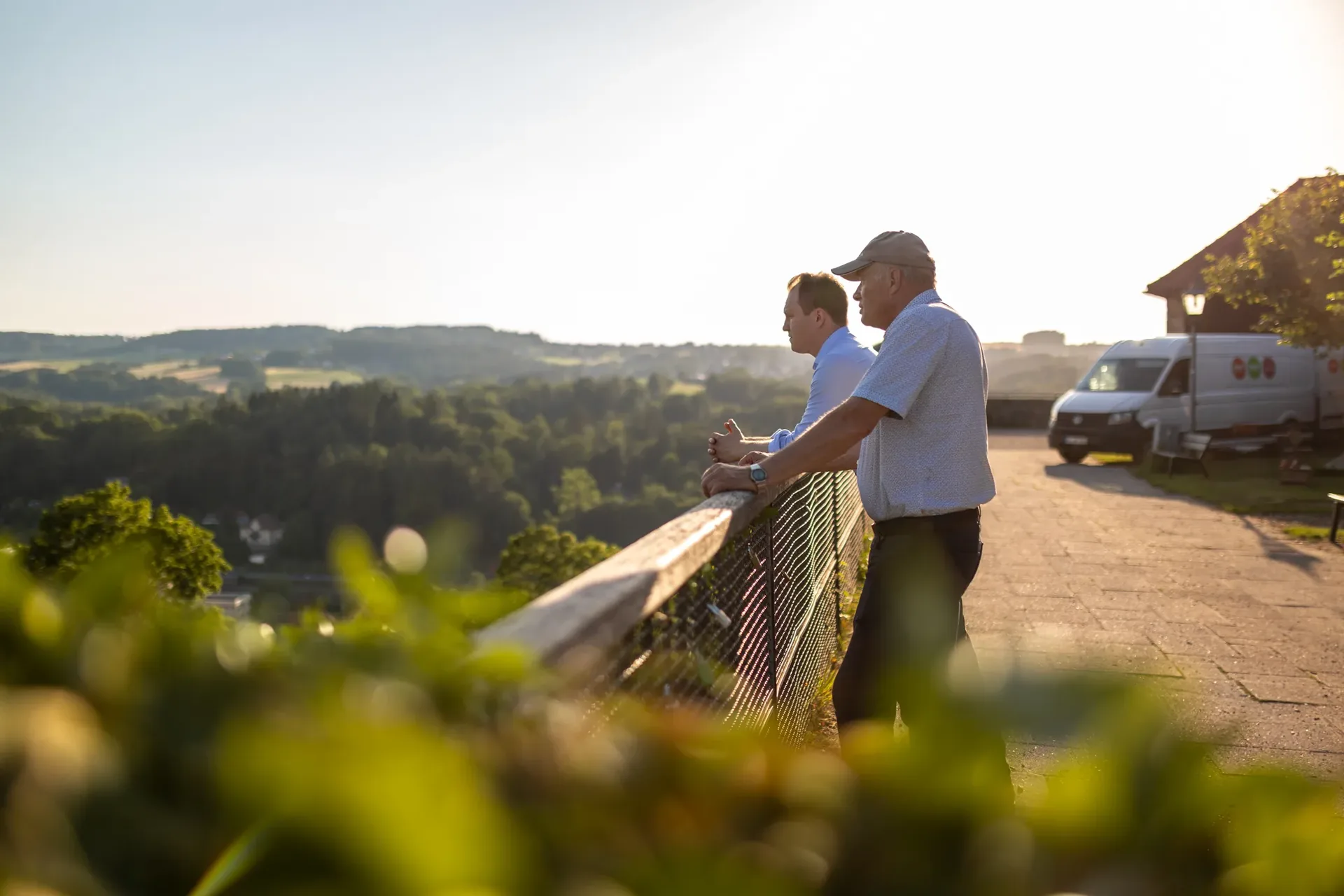
Company
A
family
business.family business.
True to our word.
When you call us, you reach a person with a name, not a hotline. Owner-managed for more than a hundred years.
“Short distances and personal commitment.”
Identity
Who we are.
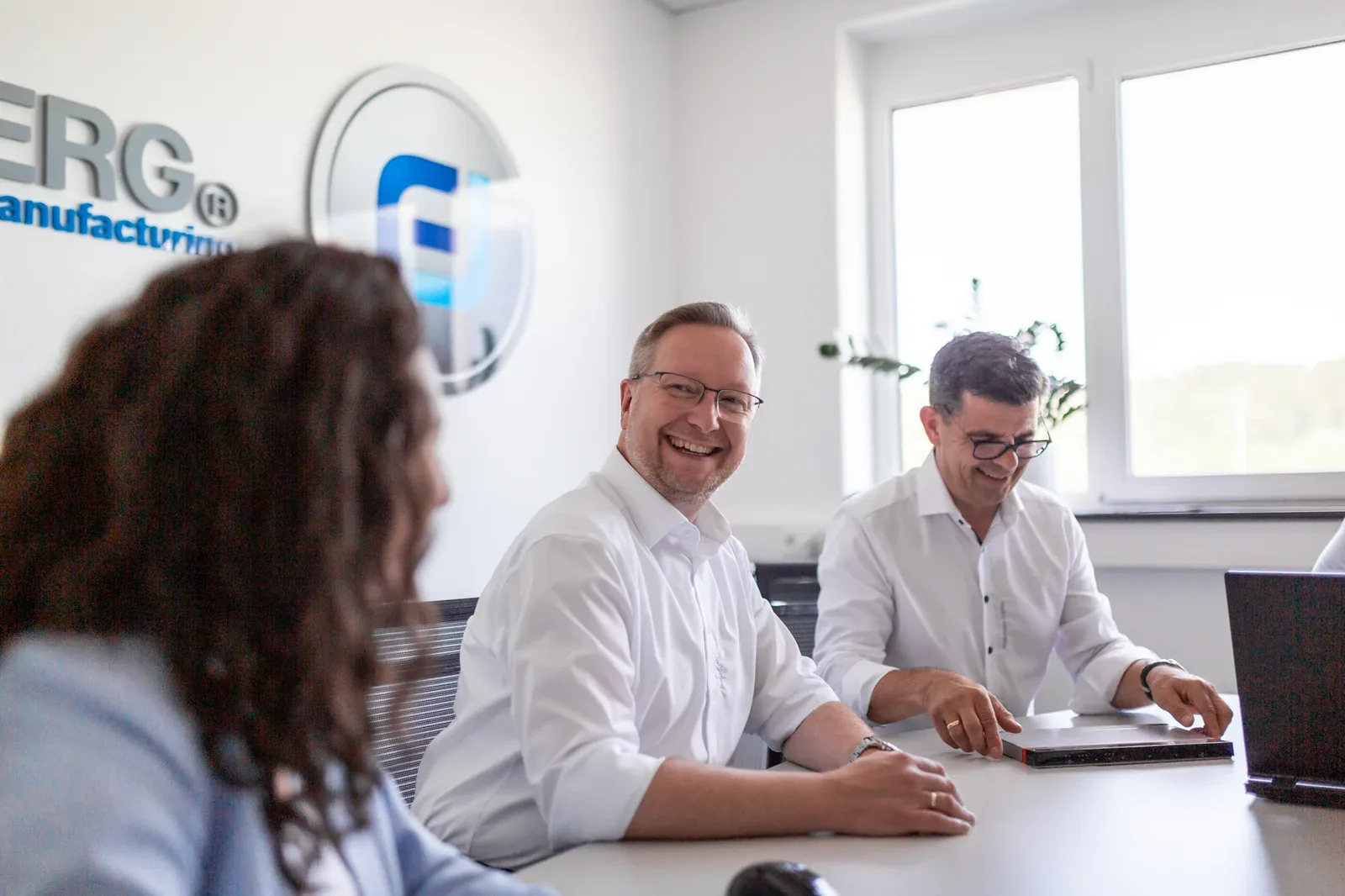
We are a system supplier and development partner for technical individual parts and complex electromechanical assemblies. Engineering, toolmaking, injection moulding, stamping and bending technology, assembly and finishing. All under one roof in Marktrodach, Upper Franconia.
What sets us apart is not a single machine or a single process. It is the combination: 106 years of manufacturing know-how, a management team with its own background in mechanical engineering, and a team of toolmakers who have worked with us for up to 48 years because they know their craft matters.
Engineering excellence
Reliability
Innovation
Three words we chose together with our team. They describe how we work.
1920 to today
From the porcelain terminal to 2K and hybrid technology.
More than 100 years. Countless challenges mastered. One family business, one place: Marktrodach.
- 1920
Foundation
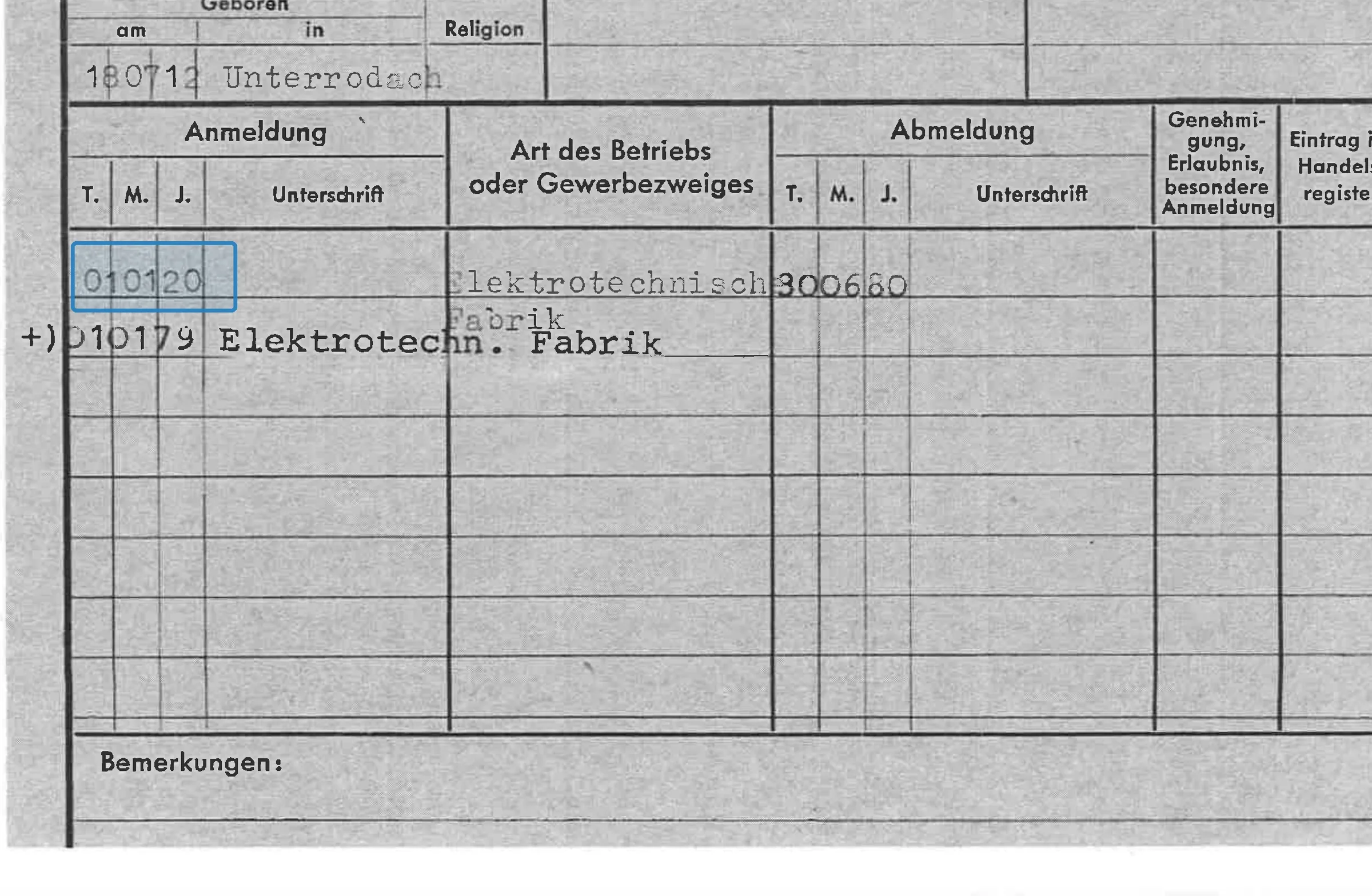
Friedrich Joerg registers a business for electrotechnical components in Unterrodach, today part of Marktrodach. First products: porcelain terminals and contact parts for early electrification.
- 1950s
Second generation
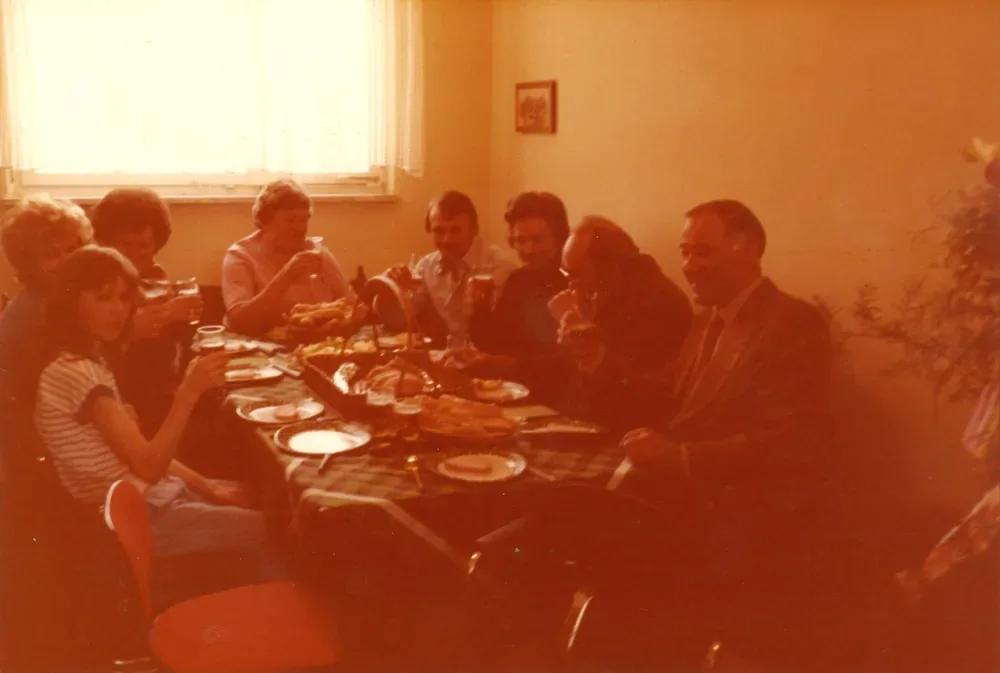
Wilhelm and Gerda Joerg continue the company as the second generation. The telephone number “2599” becomes an internal slogan: “If you don’t know what to do next, dial 2599.”
- 1960s
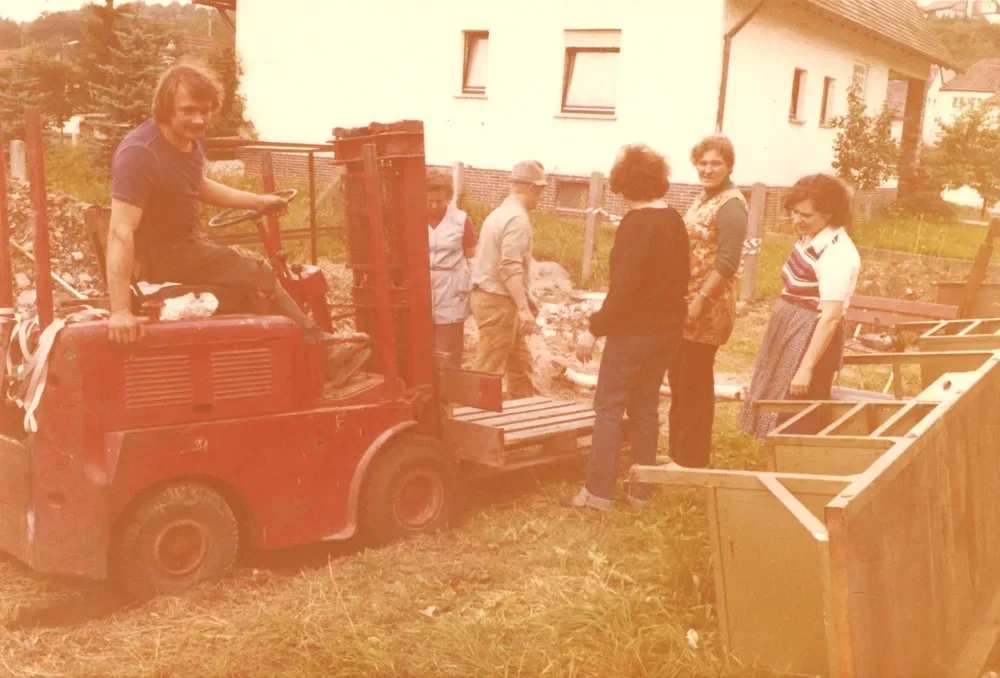
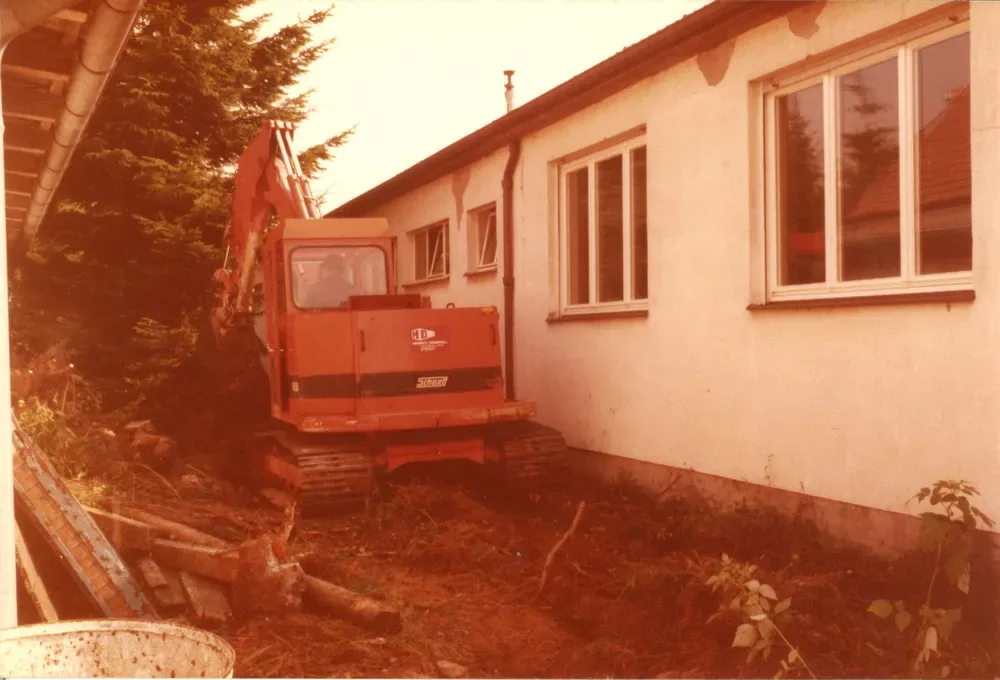
New building on Louis-Dietrich-Straße
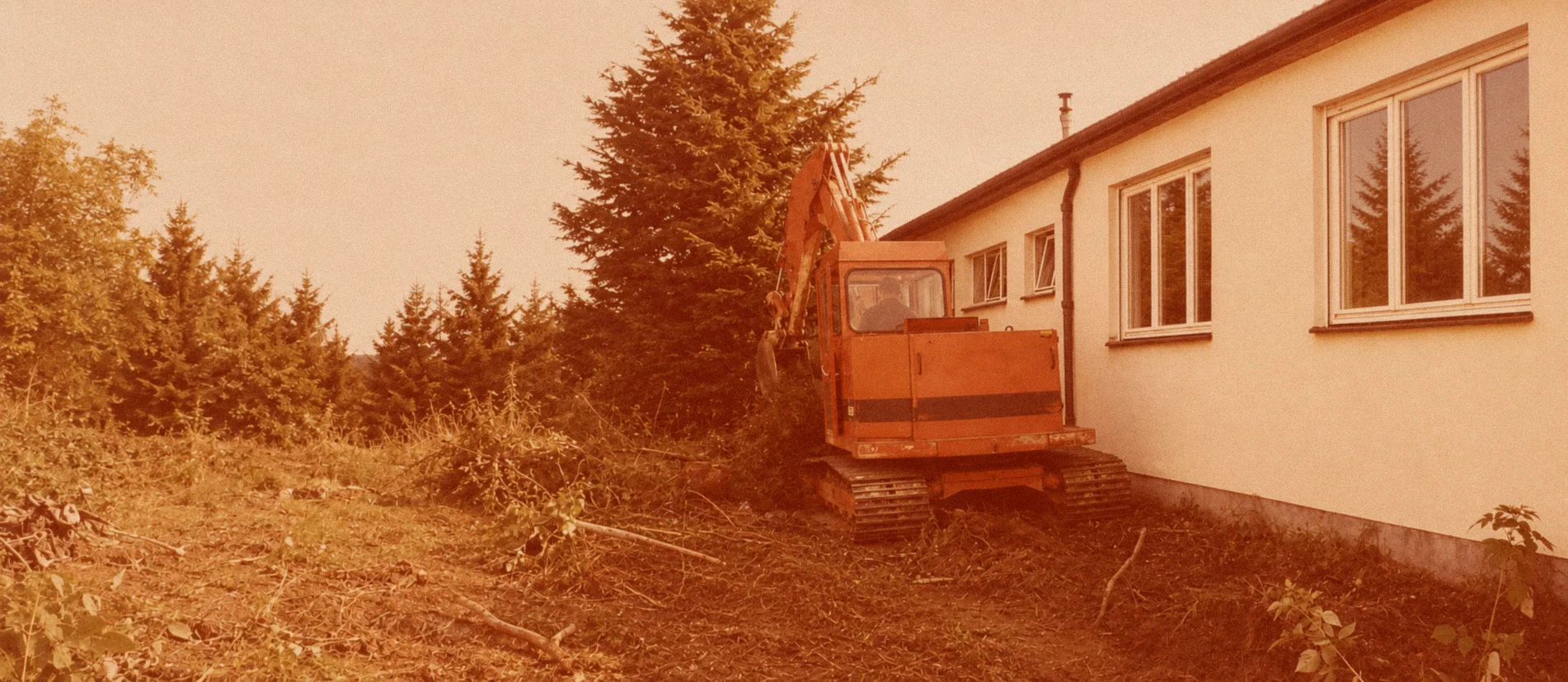
With the new building on Louis-Dietrich-Straße, the company expands its production space. The new site is continuously extended over the following decades; the premises on Hauptstraße initially remain in use and are only fully given up later.
- 1981
Third generation
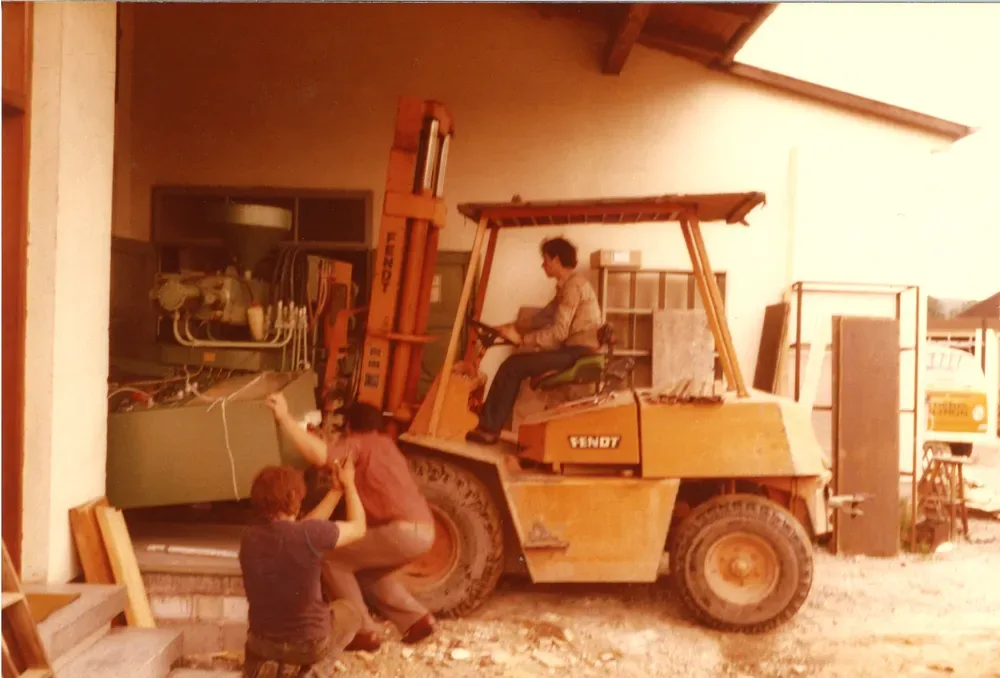
Thomas Püls takes over the company and begins modernisation: from porcelain and thermosets to thermoplastics, and with the set-up of in-house injection moulding.
- 1985
Specialisation
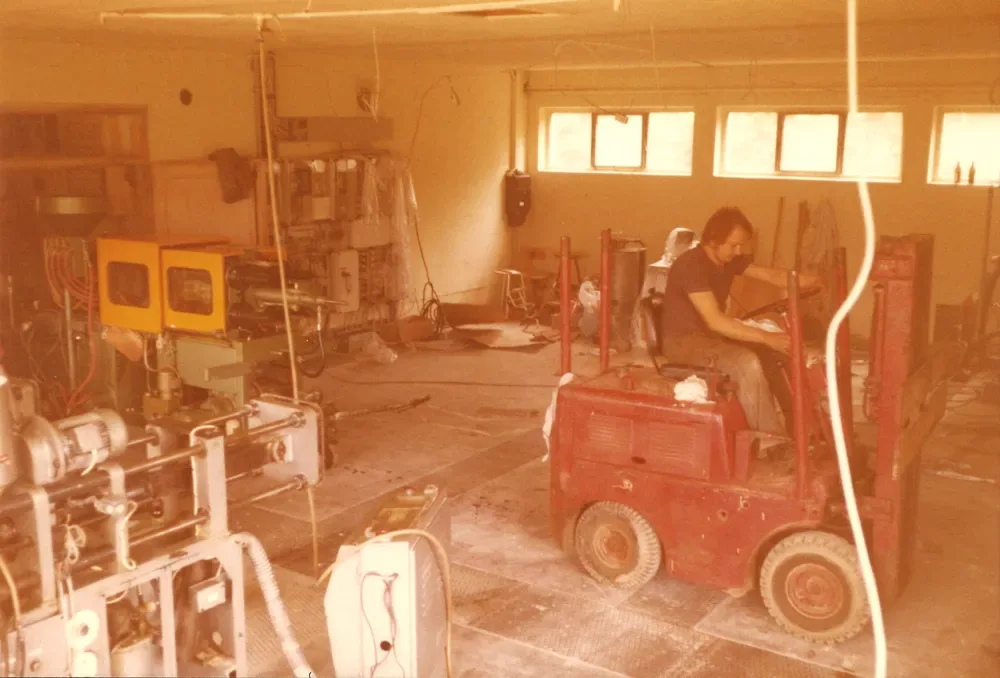
In the 1980s we produce more than five million igniter cups a year and systematically expand our material expertise in polyamides, polycarbonate and PC blends.
- 1992
Entry into stamping and bending technology
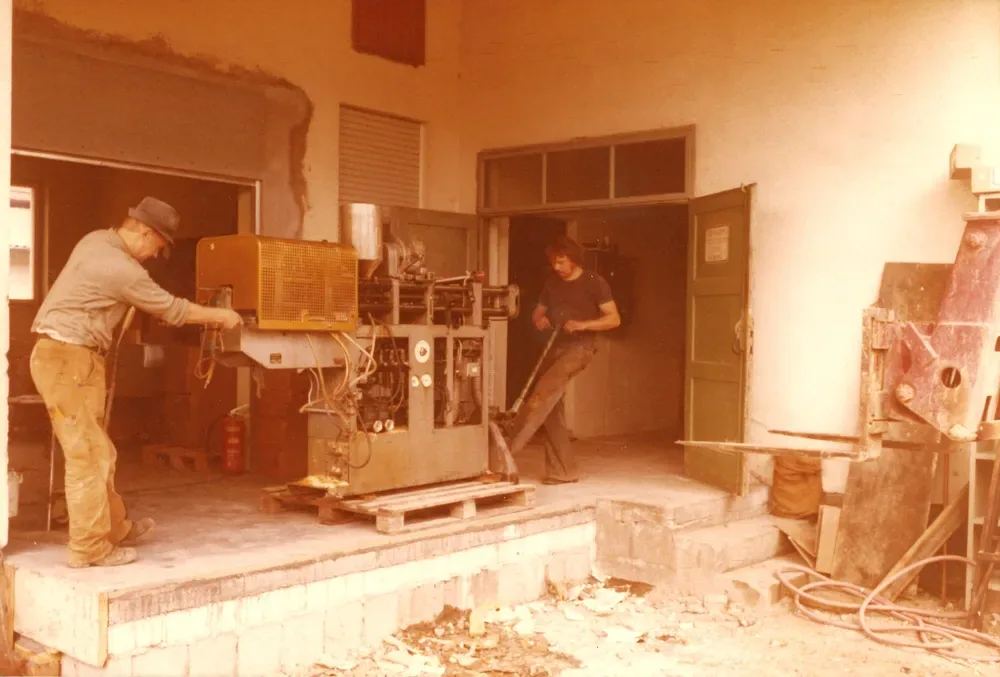
Automated production of stamped and bent parts begins on fully automatic Bihler machines.
- 1995
First ISO 9001 certification
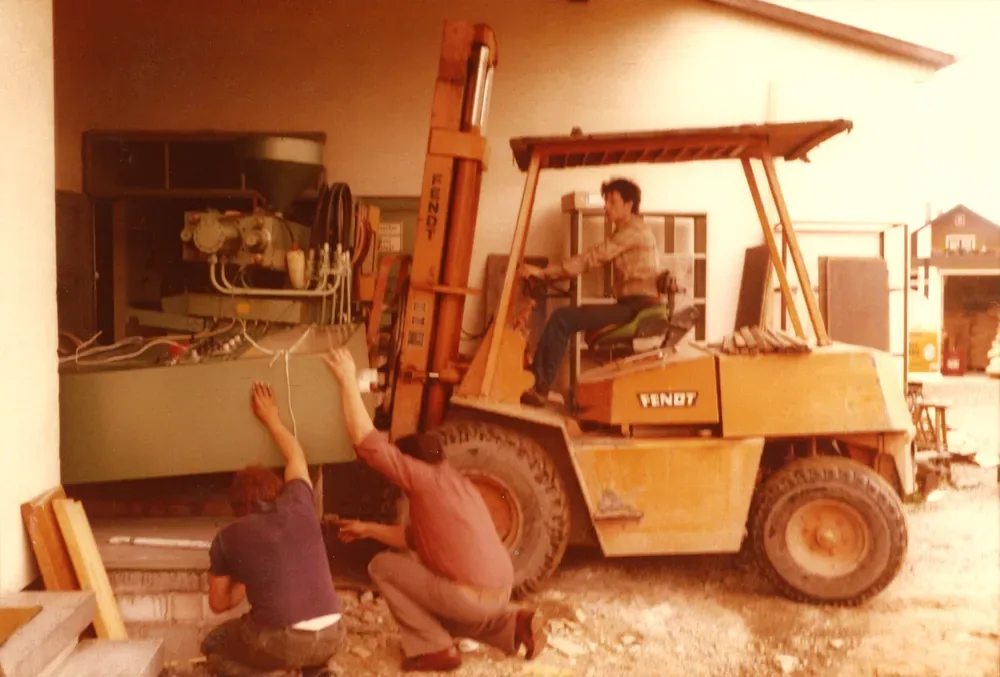
Certification of the quality management system to ISO 9001 lays the foundation for documented, stable series processes.
- 2000
Hybrid technology
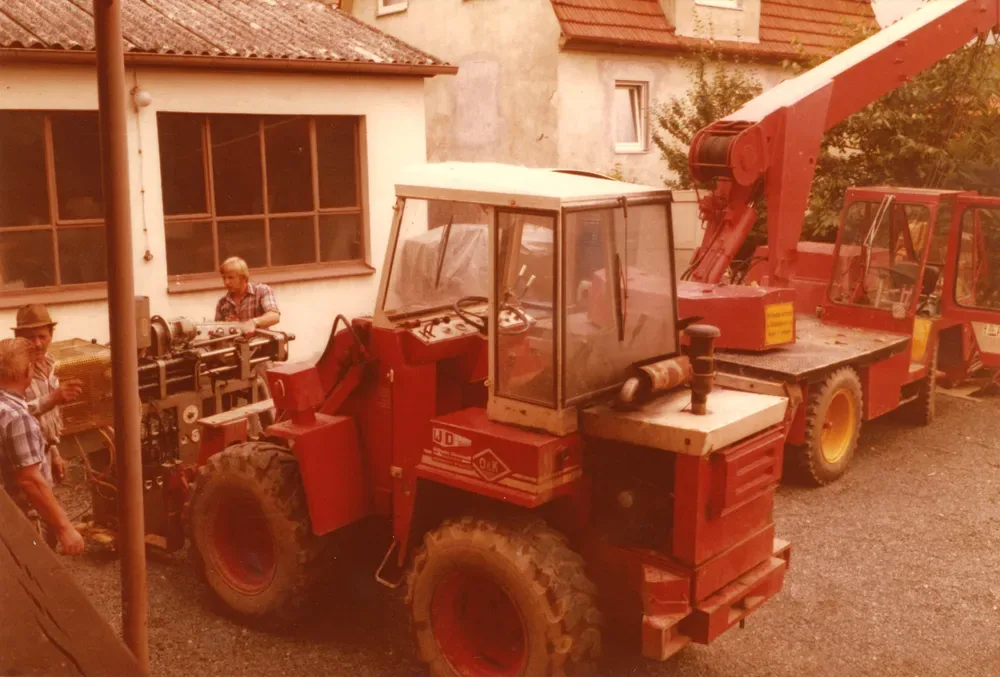
Production of the first 2K components and further expansion of stamping and bending technology on fully automatic Bihler machines. The transition to system supplier begins.
- 2009
Expansion of toolmaking
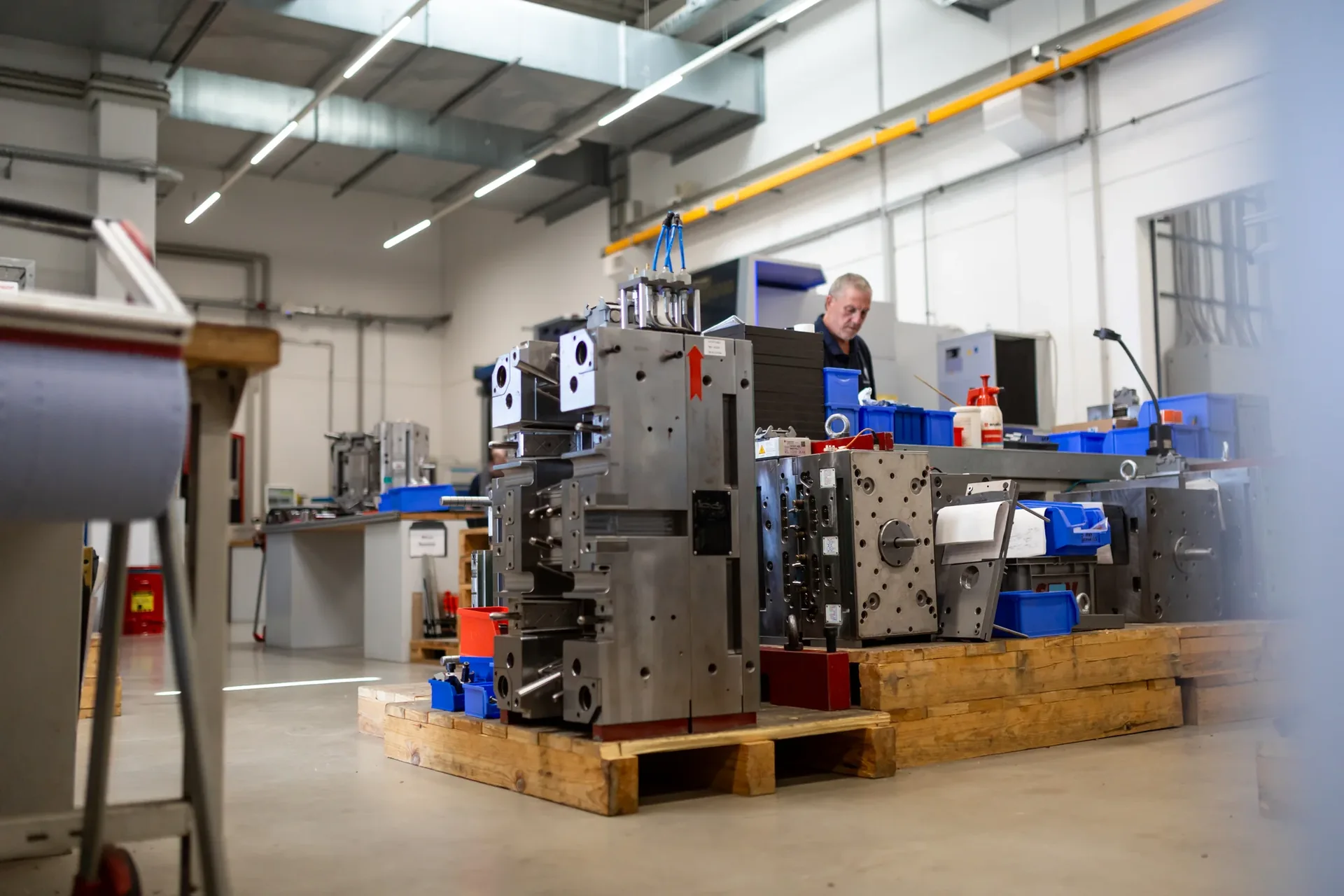
Expansion of our in-house toolmaking as the backbone of series quality: repairs and modifications directly on site, without transport and waiting times at external toolmakers.
- 2016
New building “Im Gries”
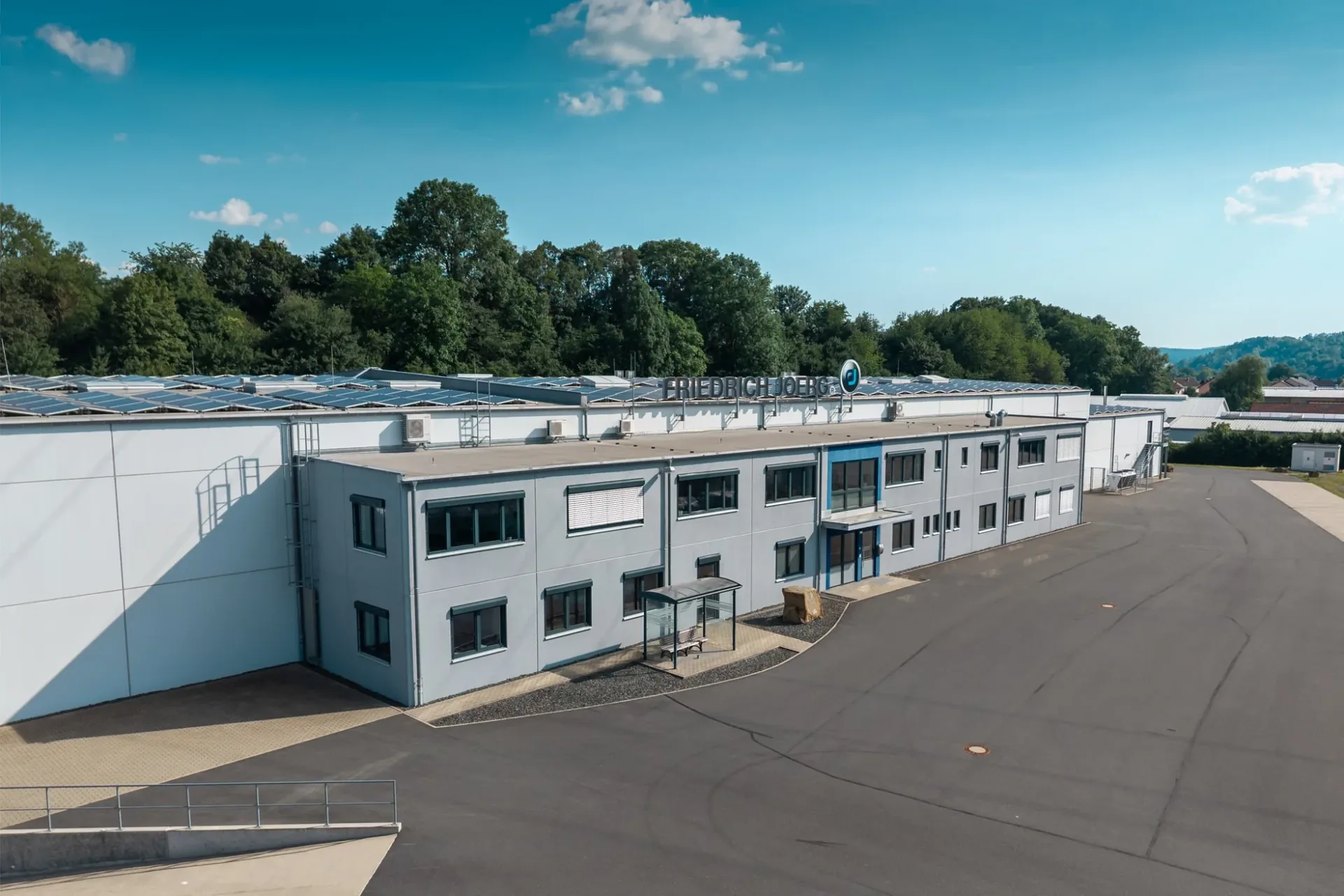
With the complete move to the Im Gries industrial estate, a modern, highly automated production site is created that brings all departments together under one roof.
- 2020
100 years of Friedrich Joerg
A century of engineering excellence, reliability and innovation: from a manufacturer of porcelain terminals to a system supplier for complex electromechanical assemblies. Family-run, rooted in Marktrodach and with a high level of vertical integration under one roof.
- Today
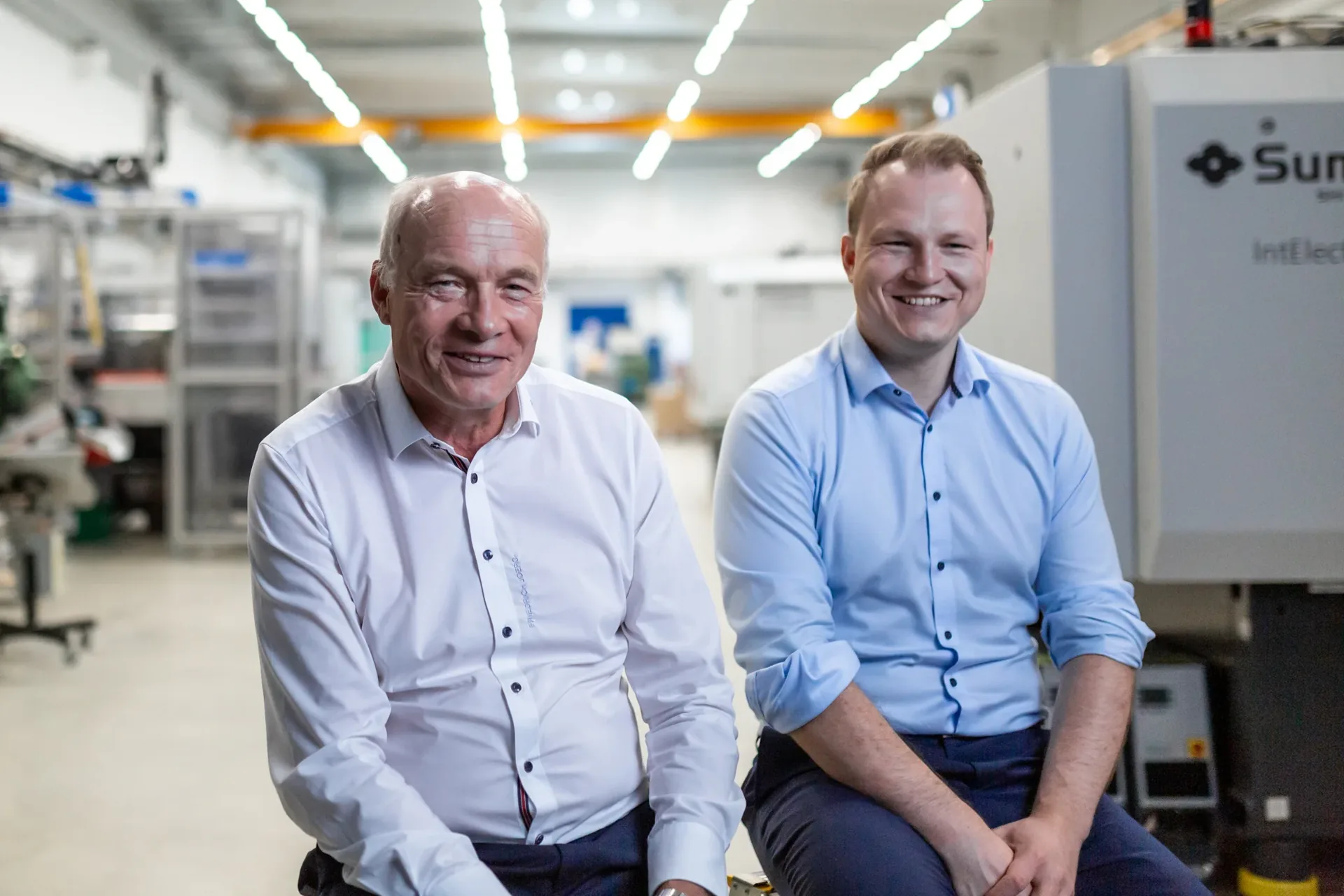
Fourth generation
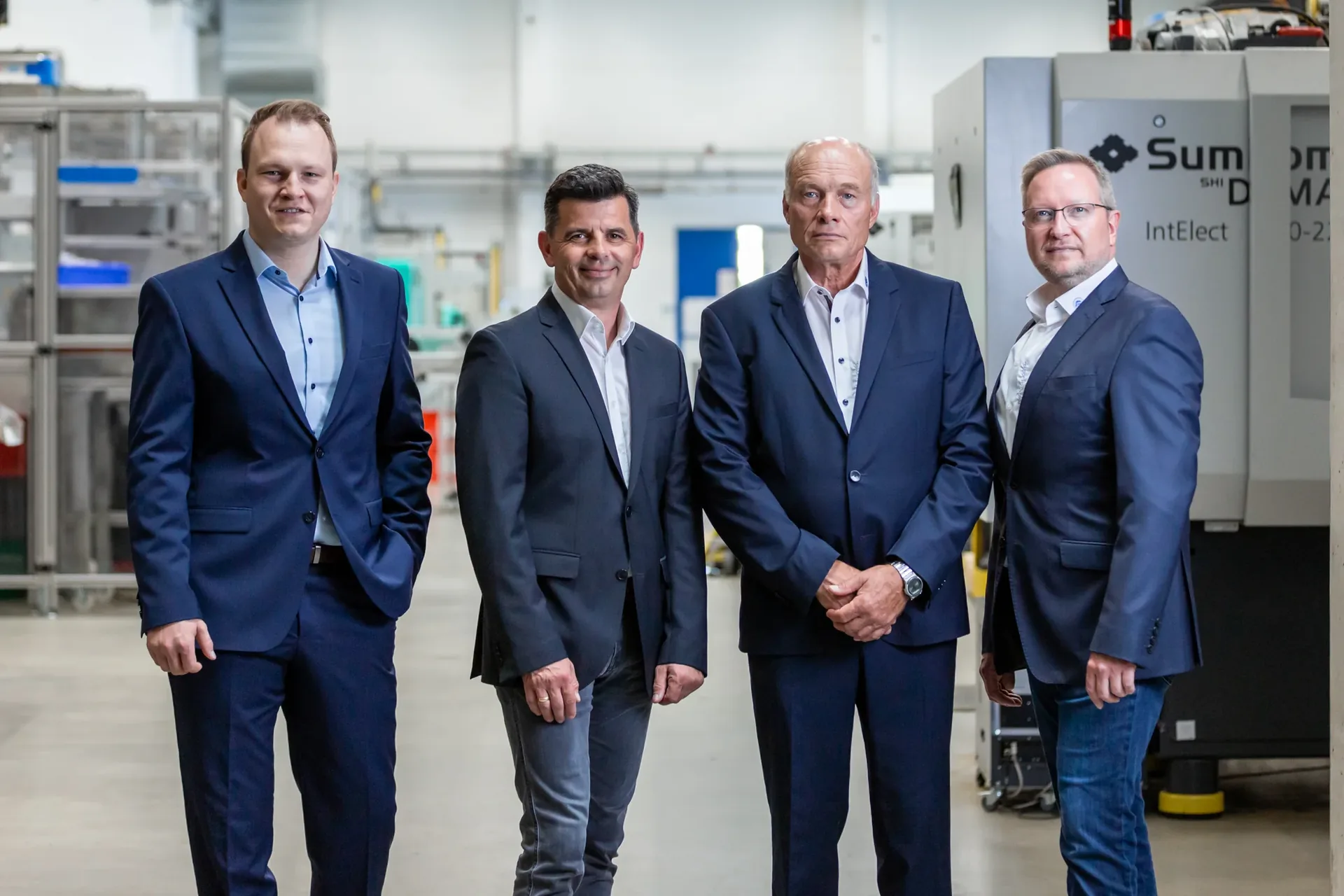
Tobias Püls heads the family business. Managing Director since 2021 and sole shareholder since 2024, he is consistently developing Friedrich Joerg as a system supplier for international OEMs.
The materials have changed. The machines have become faster. What has remained is the commitment to build an assembly so that it delivers what the design promises.
Plan A. Plan B. And if in doubt, Plan C.
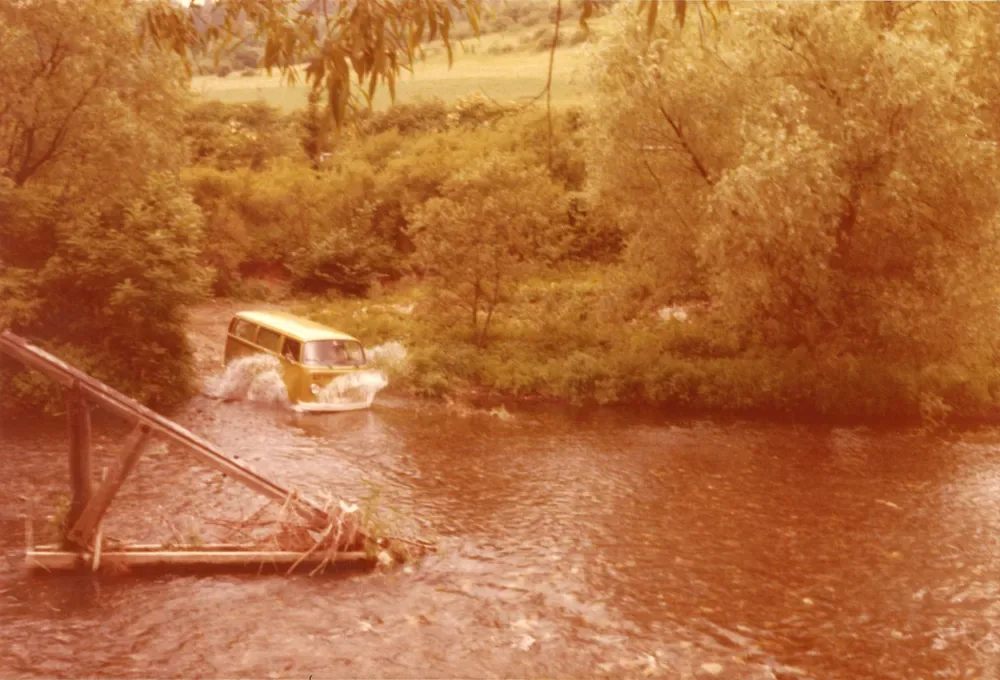
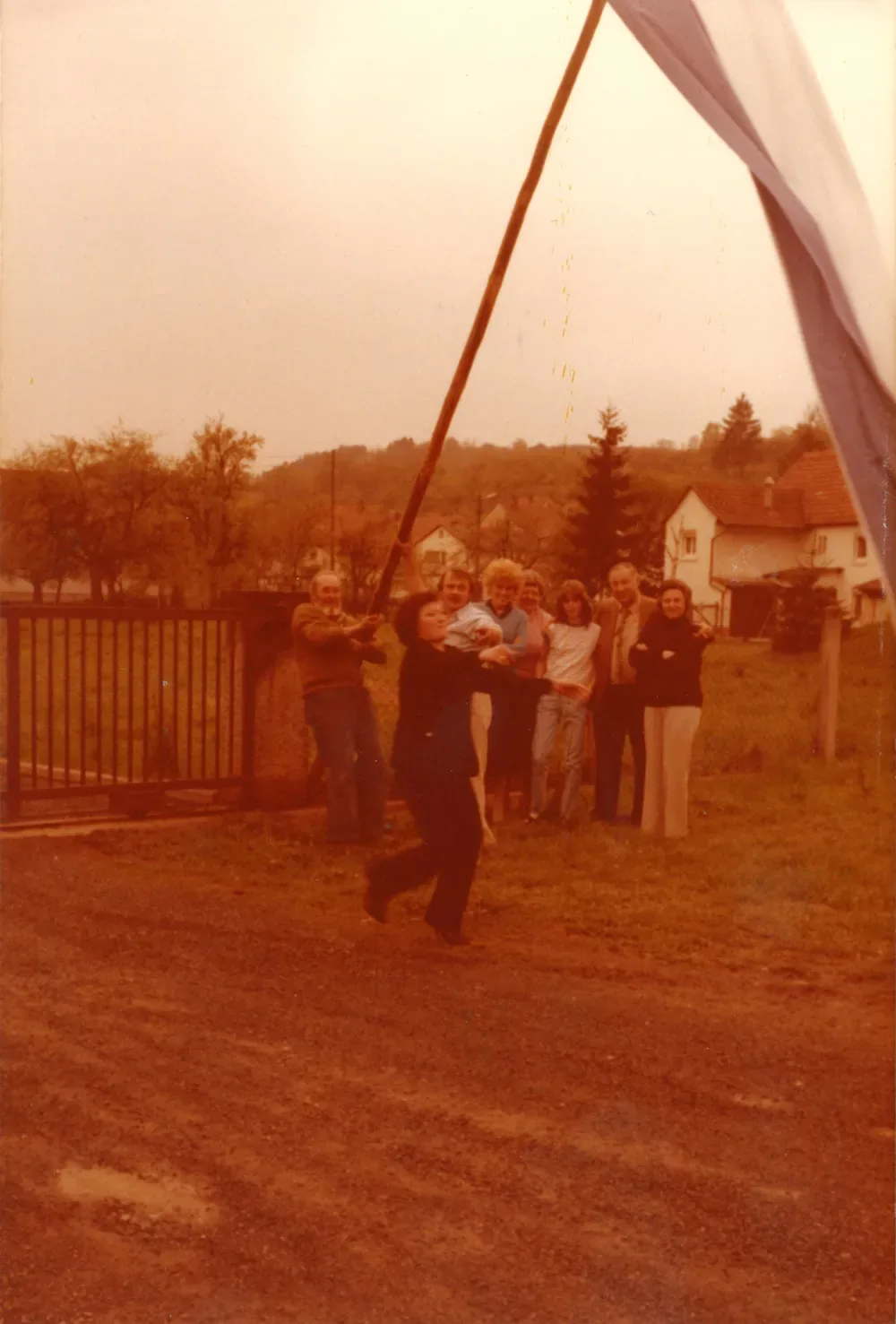
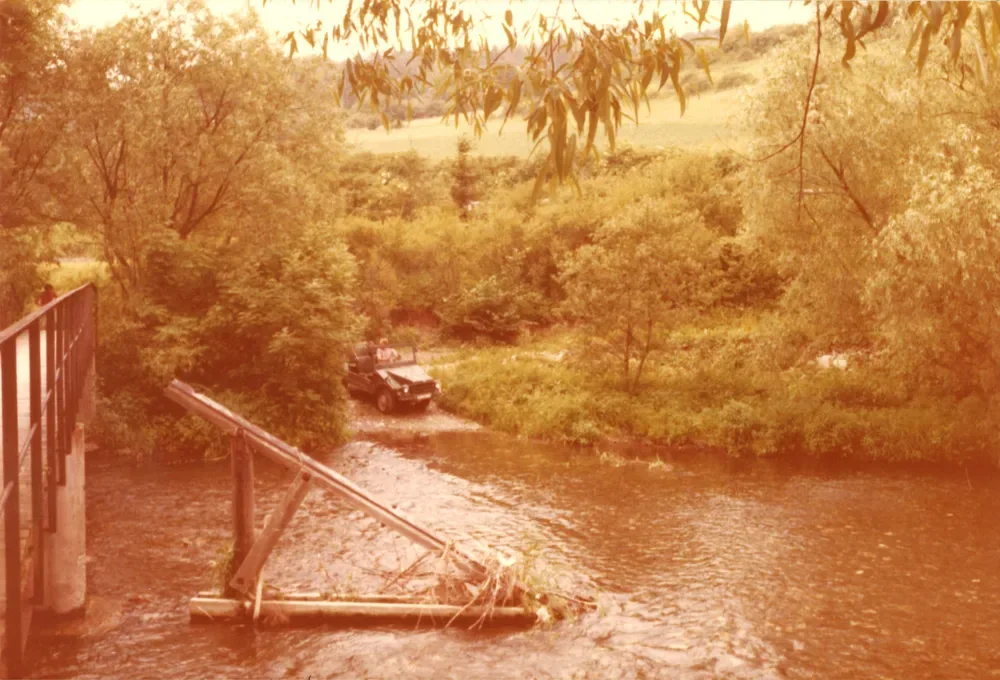
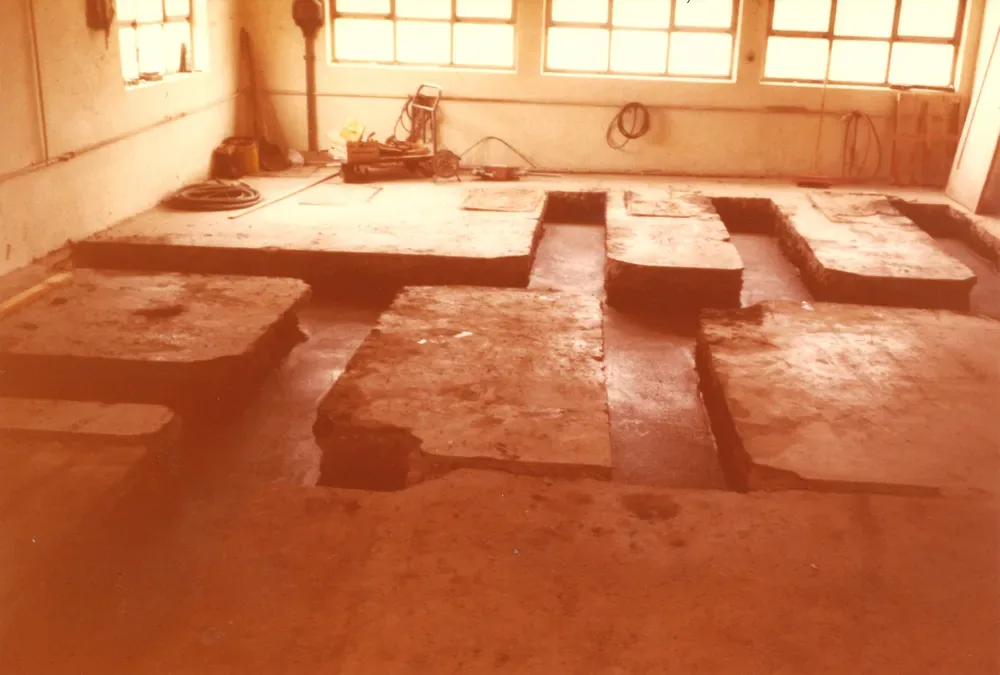
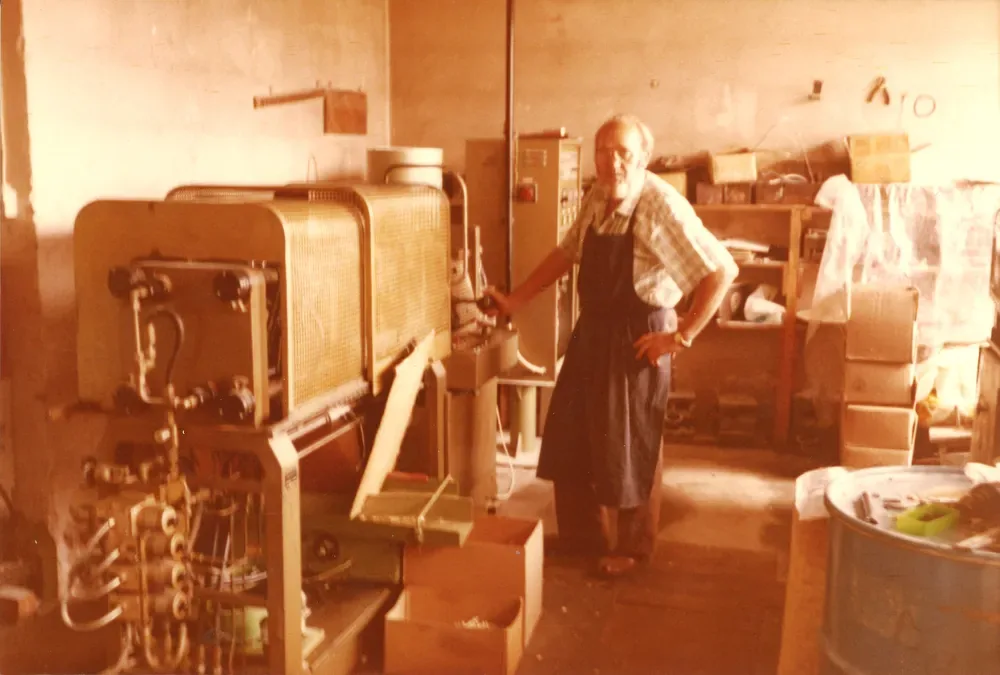
From the archive
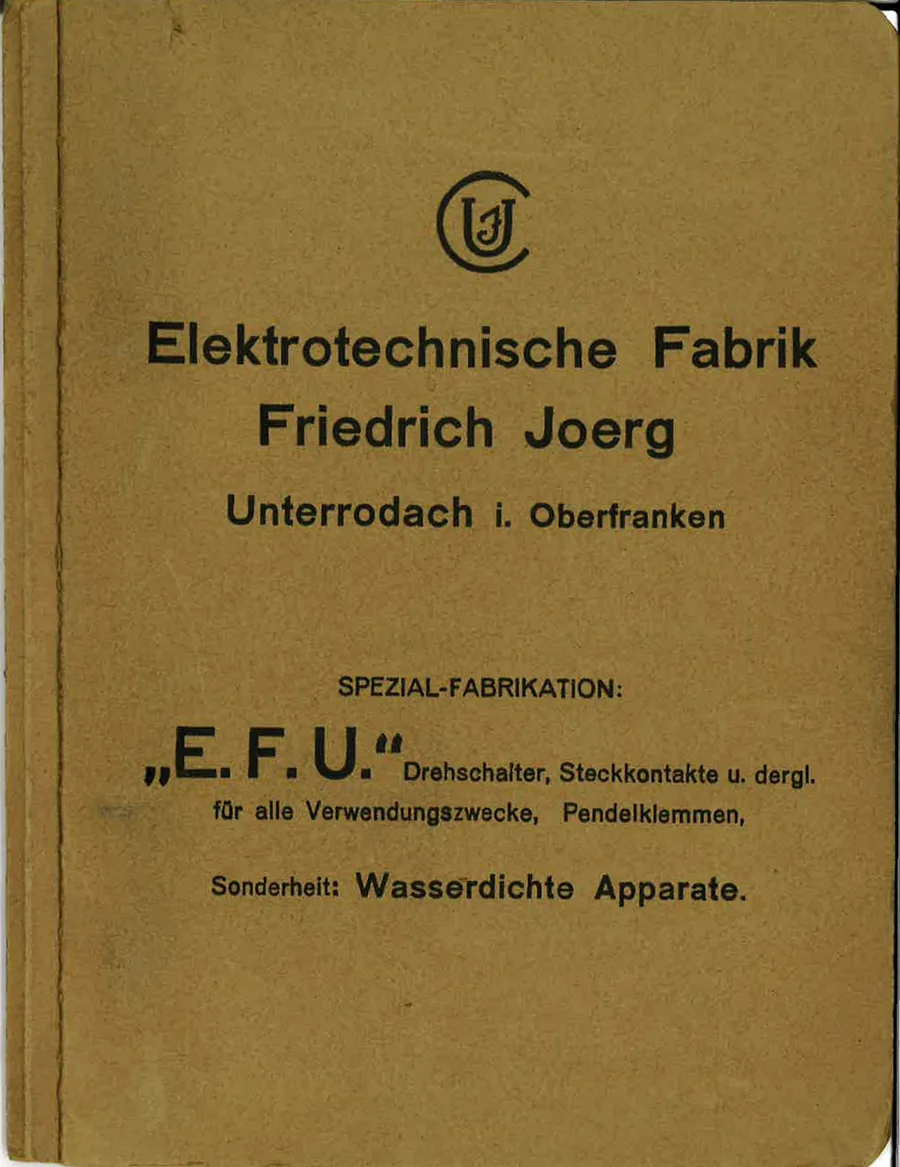
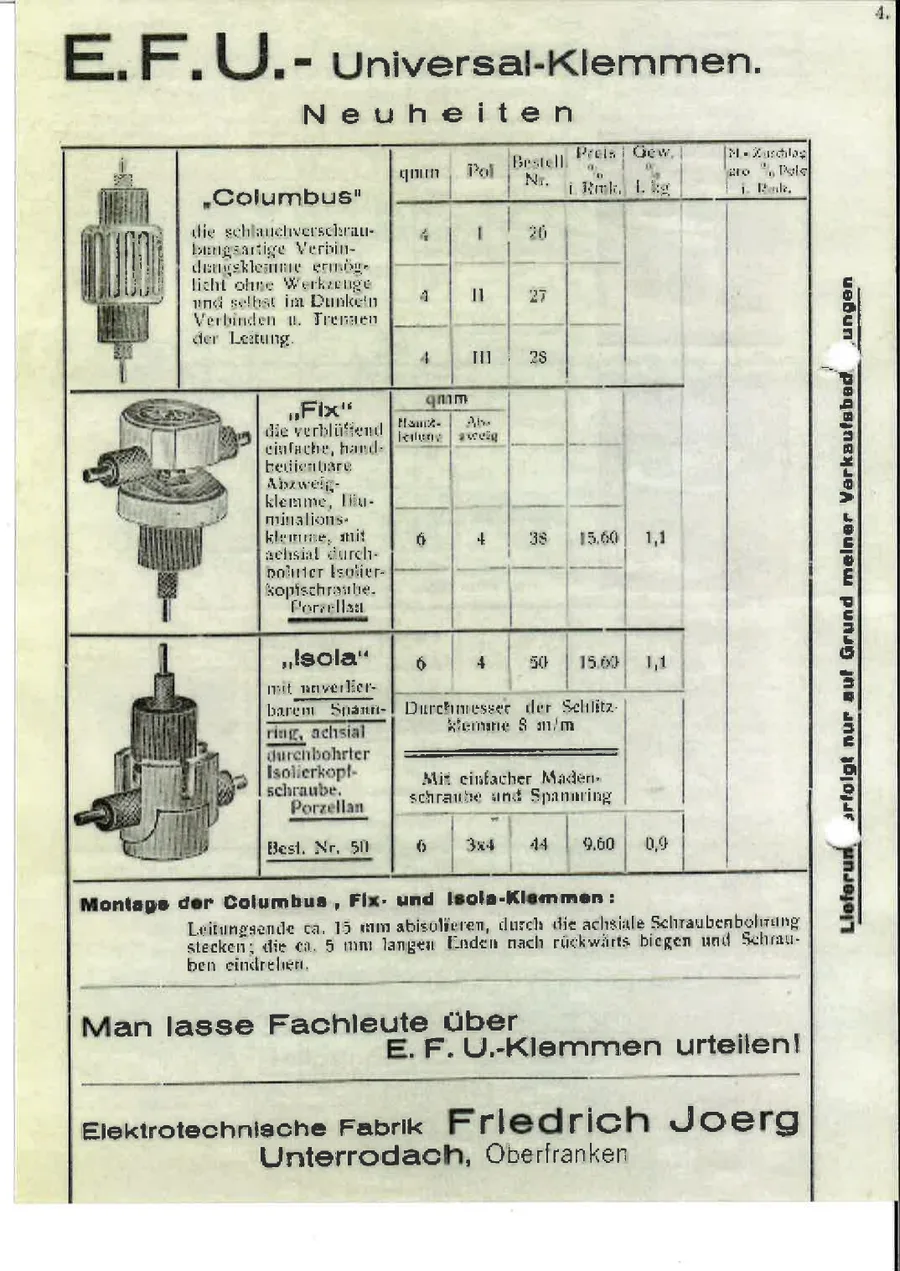
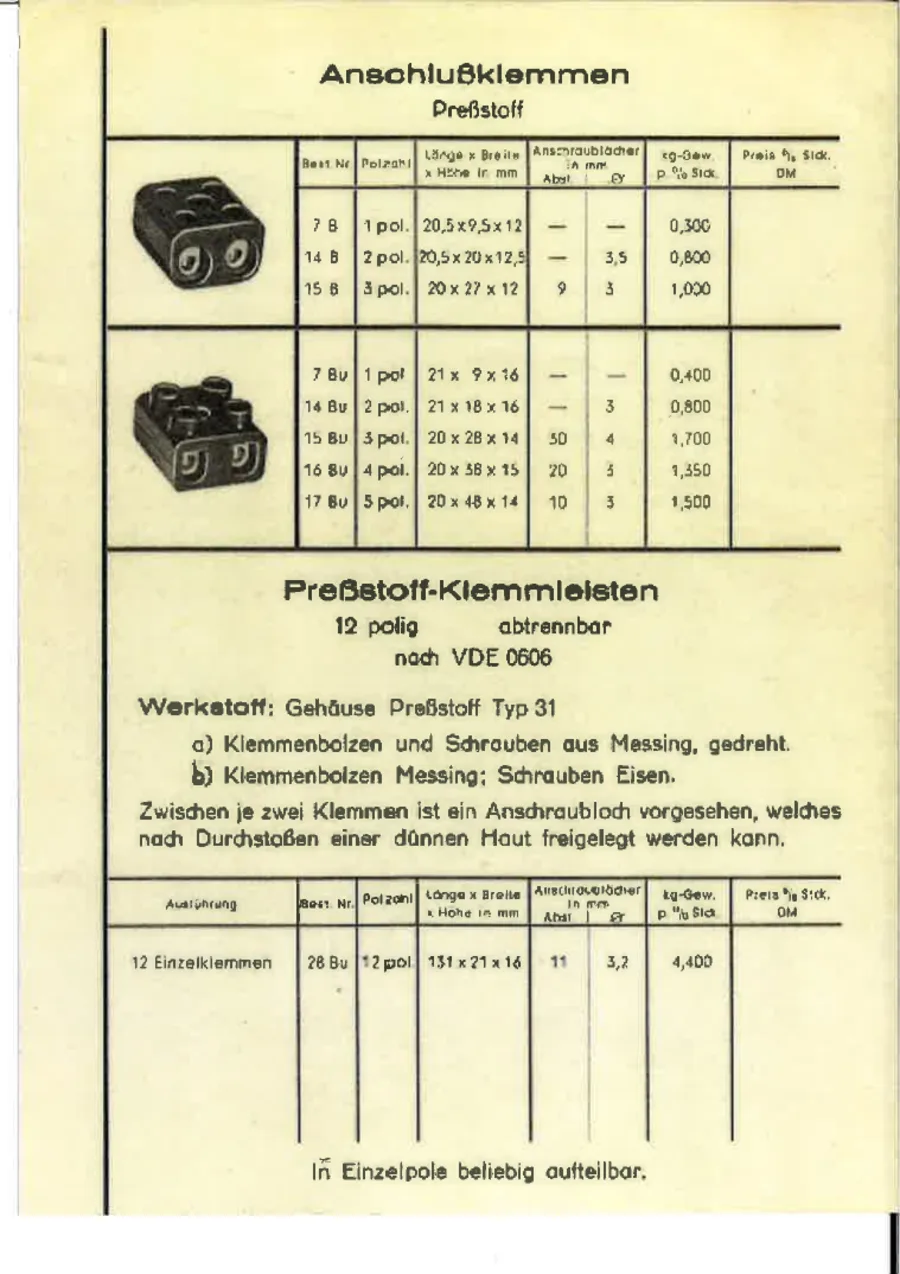
Historical documents.
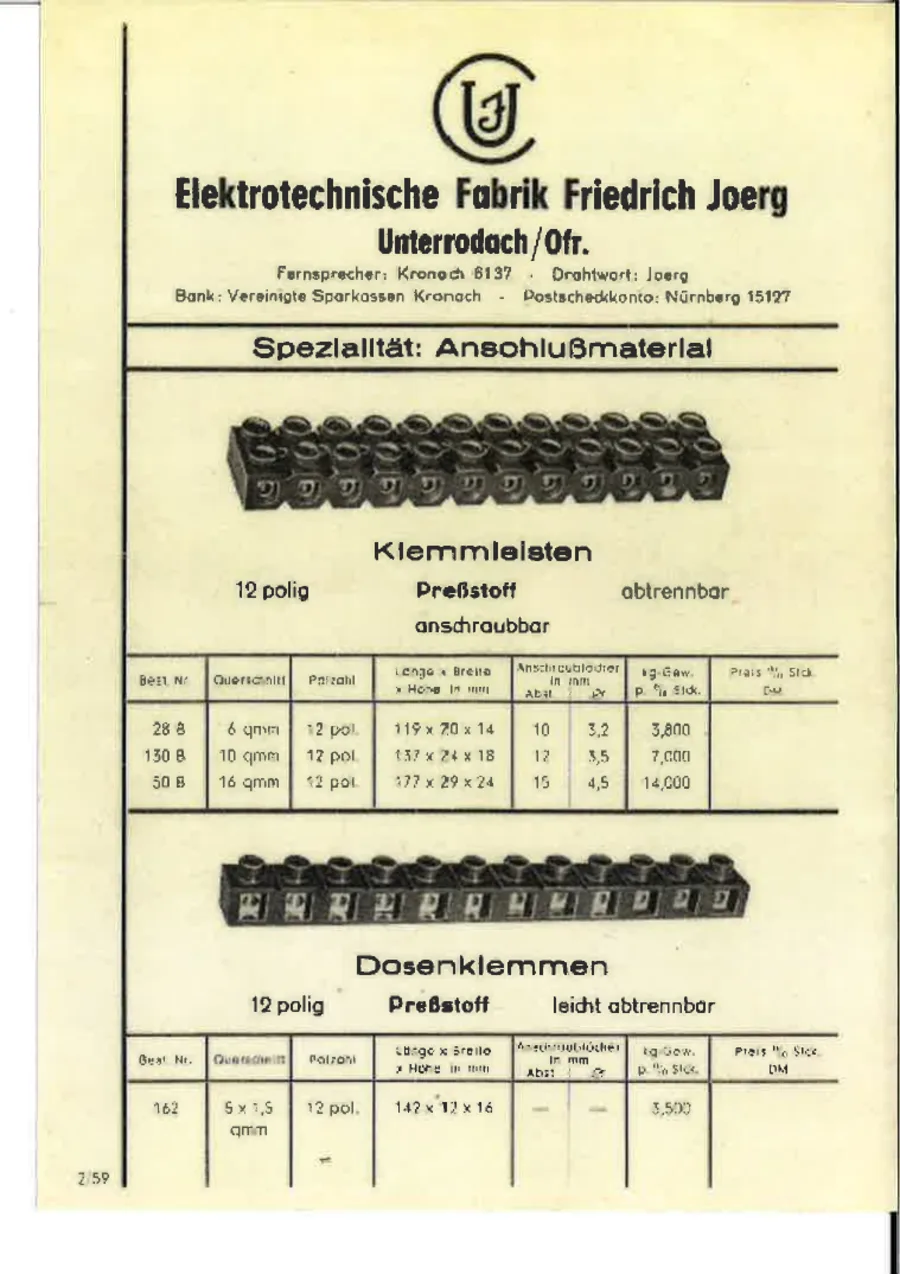
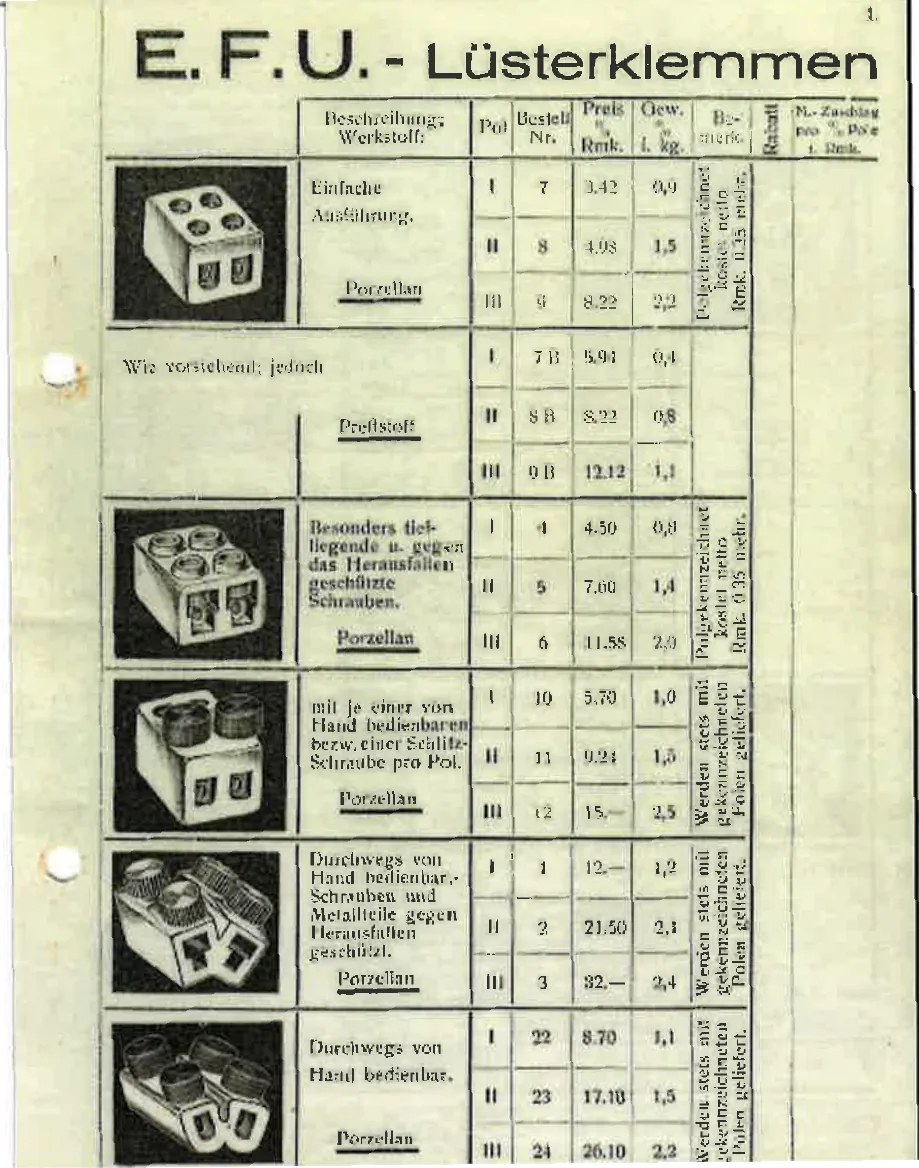
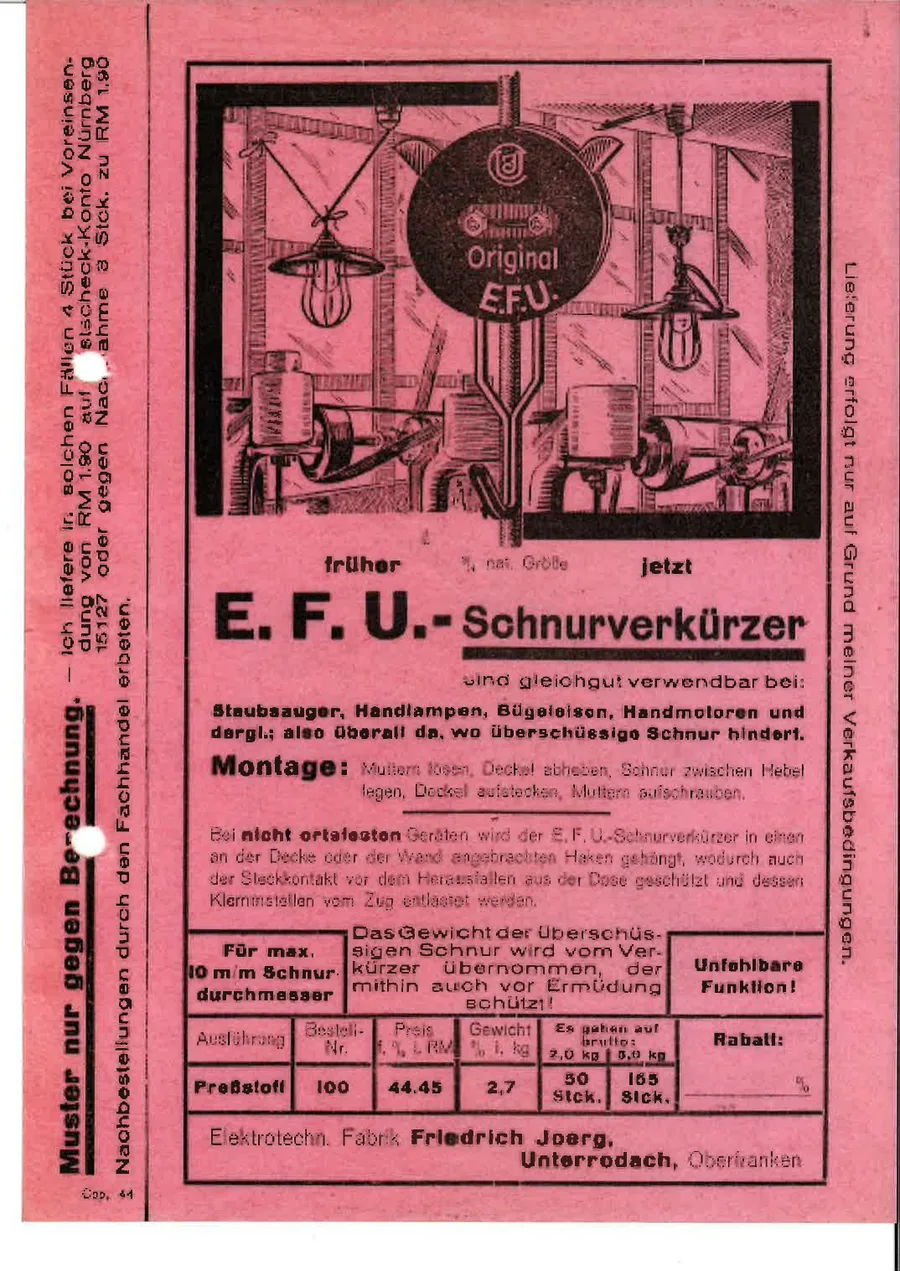
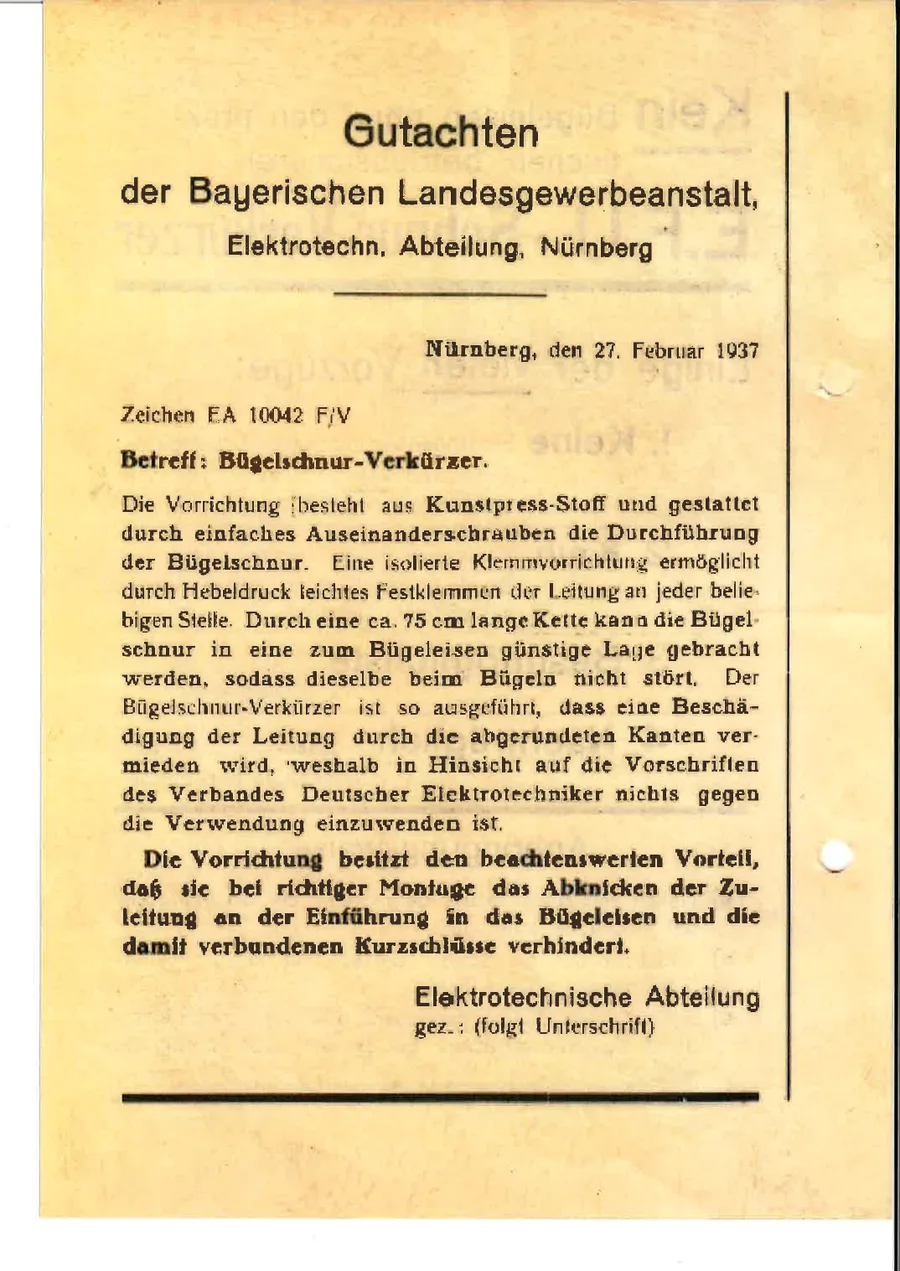
Digitised original documents from the founding and early years: early E.F.U. catalogues, product sheets and a technical expert report from 1937. All documents can be opened and browsed in full as PDFs.
People
Who picks up the phone.
With us, you speak directly to the people who develop and manufacture your assembly. Dedicated contacts. Short distances. Clear responsibility.
- Shareholder and Managing Director
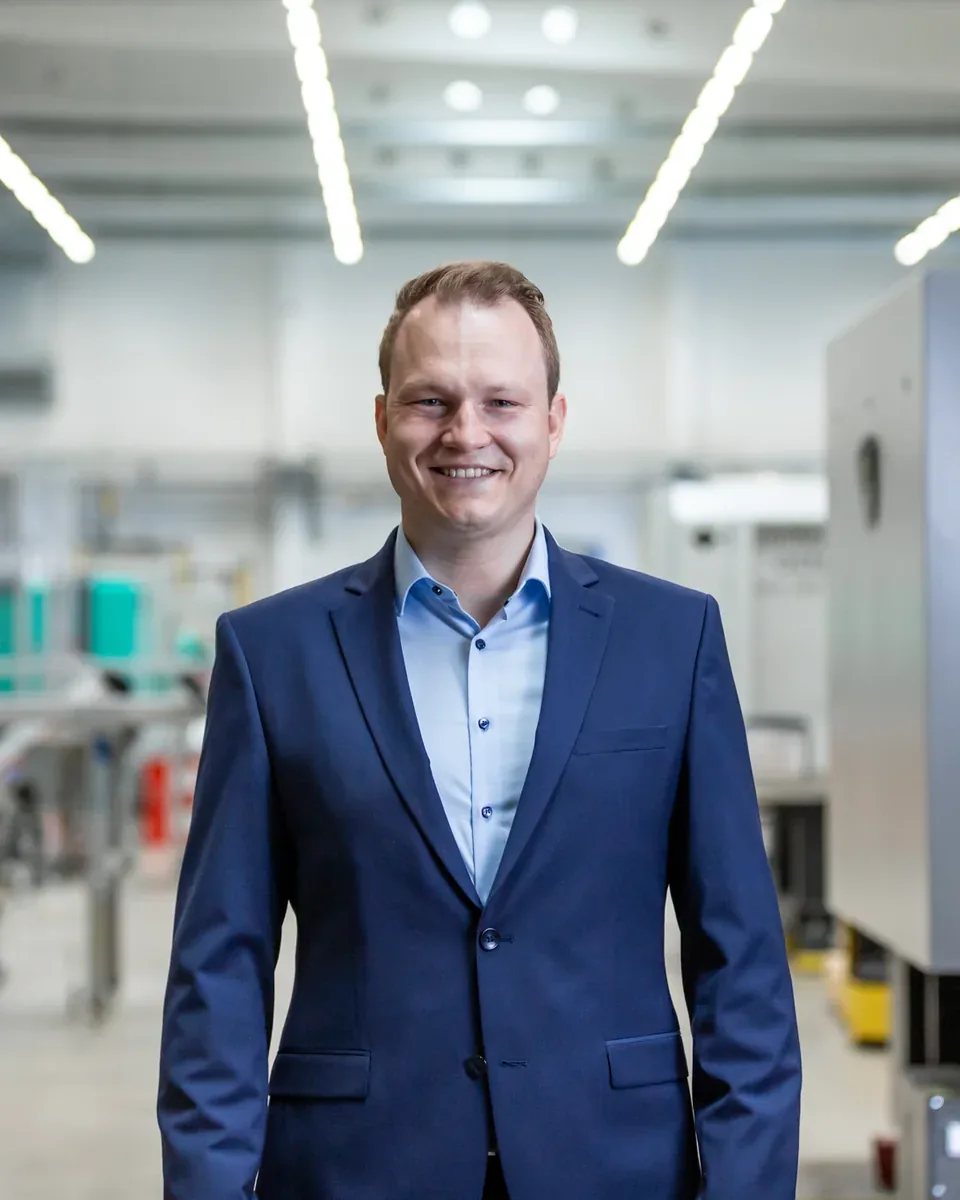
Tobias Püls
As a mechanical engineer, Tobias Püls runs the family business in the fourth generation. He is responsible for its strategic development, modern production structures and the digitalisation of business processes.
- Managing Director
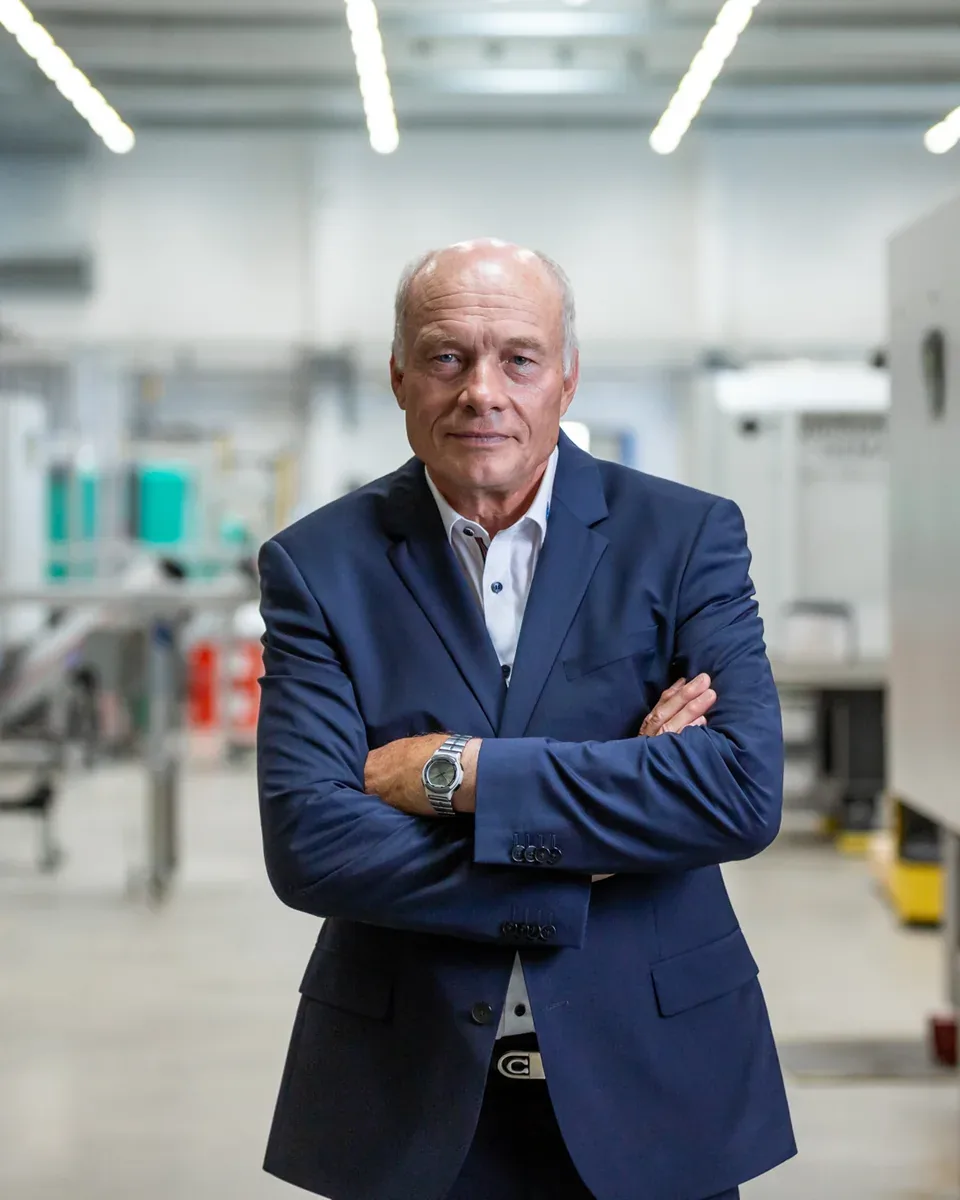
Thomas Püls
As a qualified mechanical engineer (Dipl.-Ing.), Thomas Püls brings decades of experience in production engineering and plastics development. He supports demanding technical projects, particularly in the field of plastics.
- Authorised Officer · Head of Development and Design
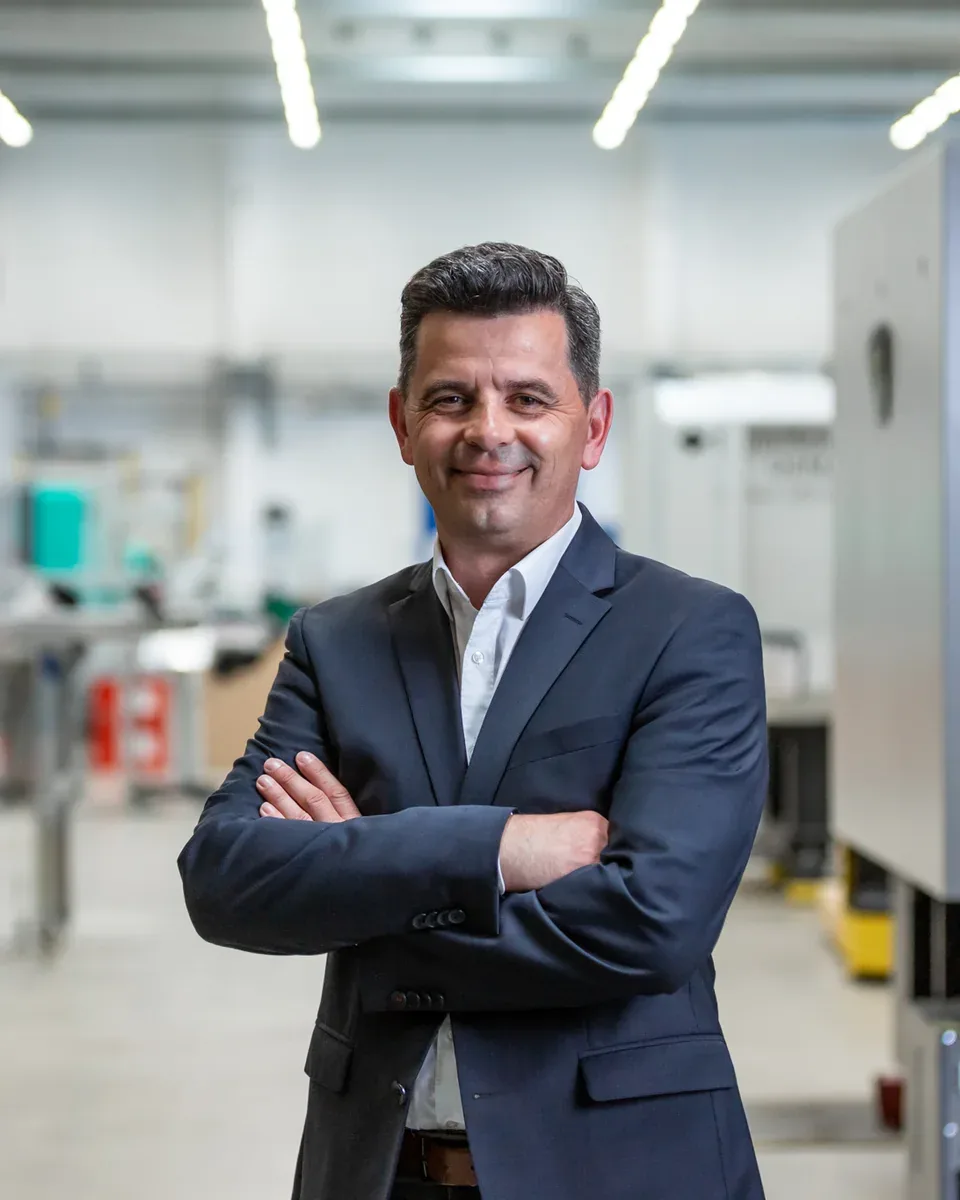
Matthias Langheinrich
As a mechanical engineer, Matthias Langheinrich is responsible for development and design. He translates customer requirements into components designed for production and supports projects all the way to series production.
- Authorised Officer · Head of Commercial Management
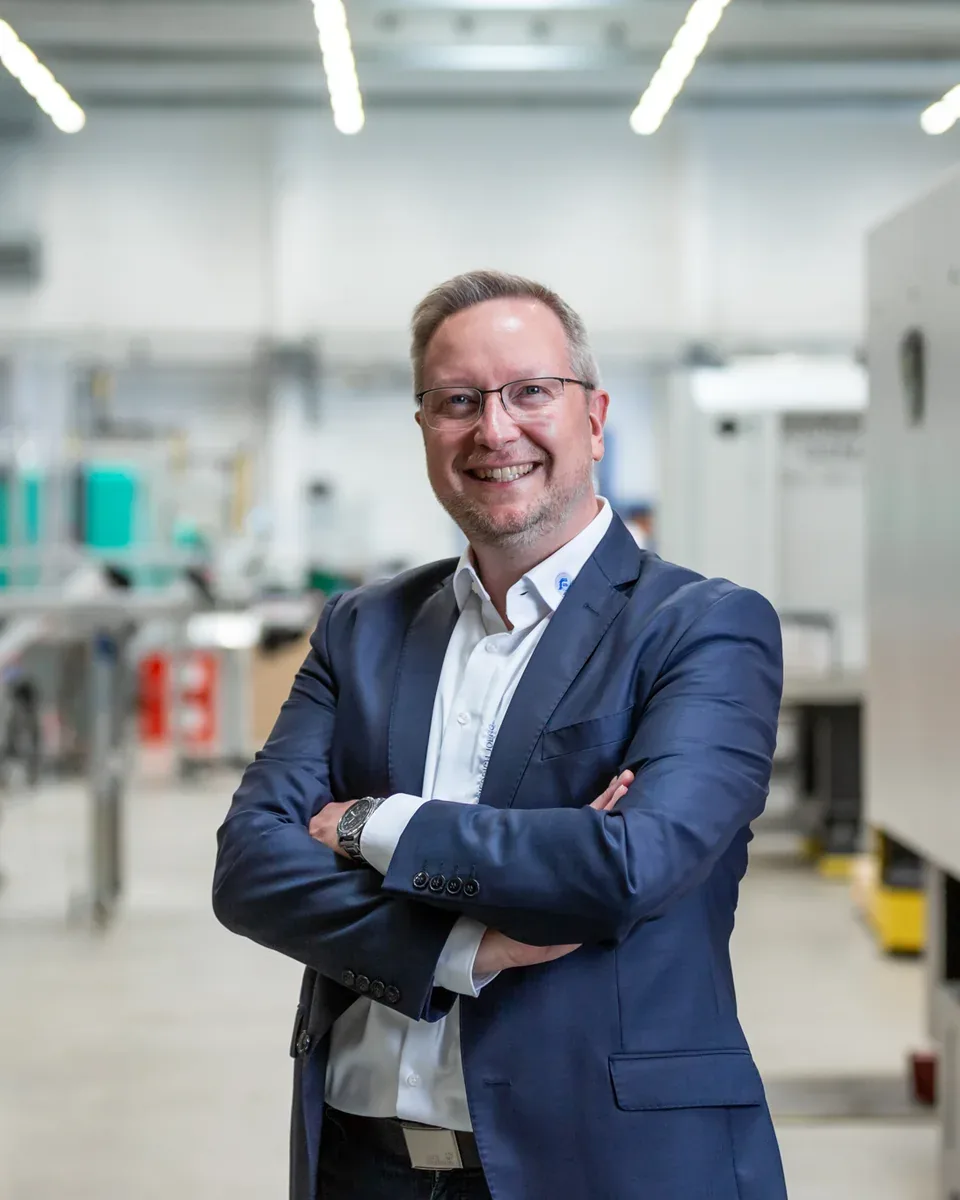
Christian Kittel
As a certified accountant (IHK), Christian Kittel is responsible for commercial management. This includes accounting, controlling and HR as well as the overall management of purchasing, sales, production planning and materials scheduling.
- Sales and Order Processing
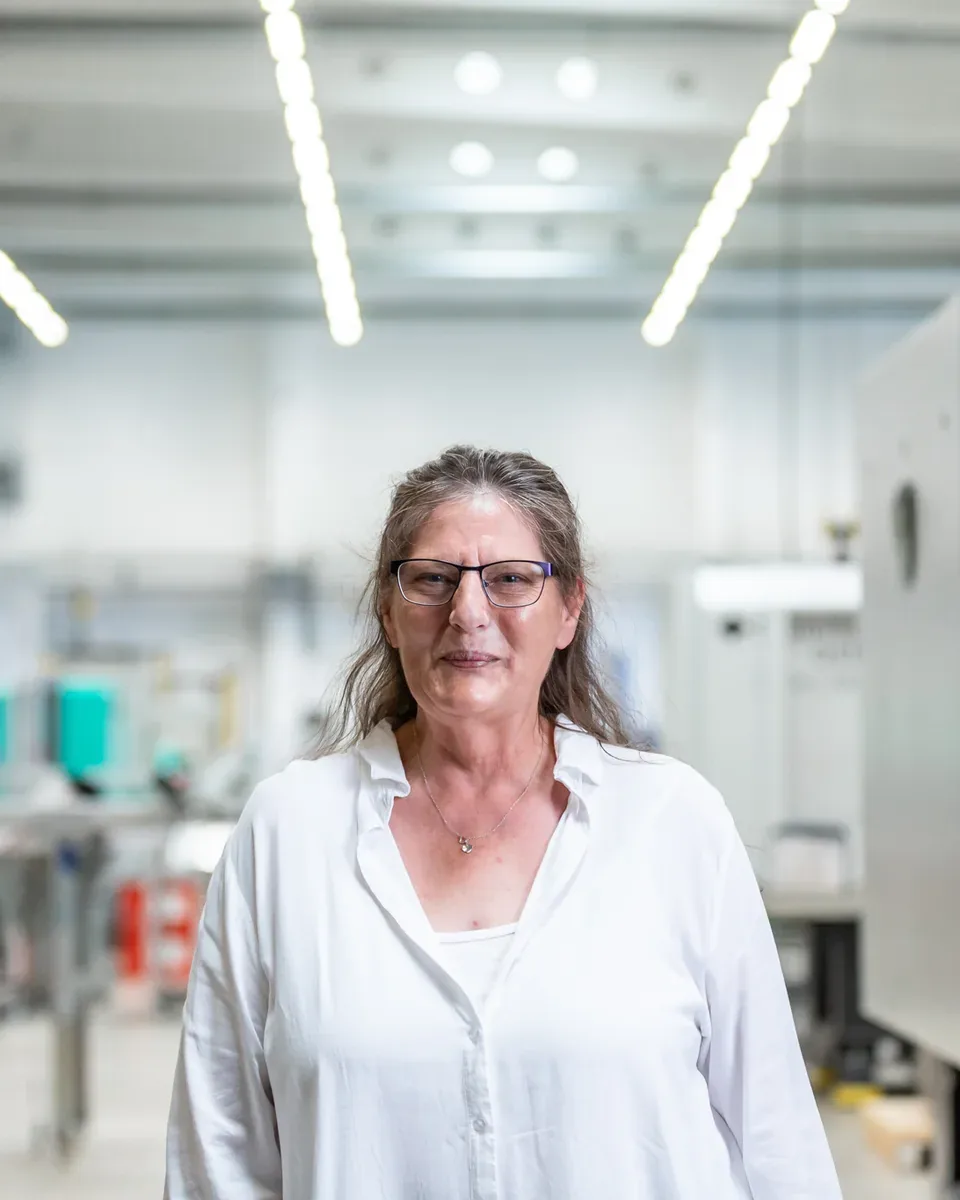
Ruth Schneider
Ruth Schneider looks after your orders from purchase order to delivery. She is your contact for order status, delivery dates and service.
- Head of Quality Assurance
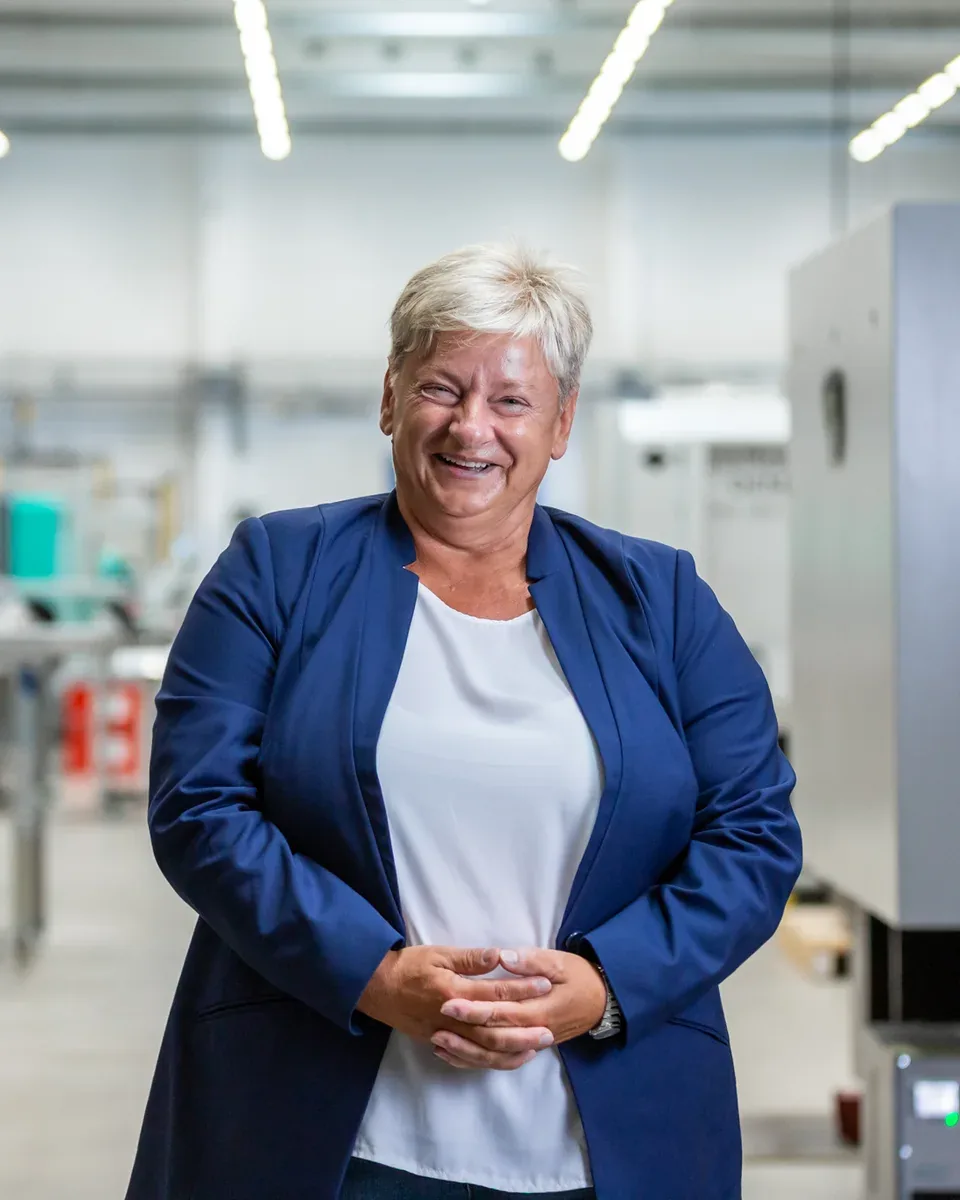
Elke Sander-Rosenbaum
Elke Sander-Rosenbaum heads quality assurance. With inspection planning, initial sampling and complaint handling, she ensures documented and reliable series quality.
- Operational Purchasing
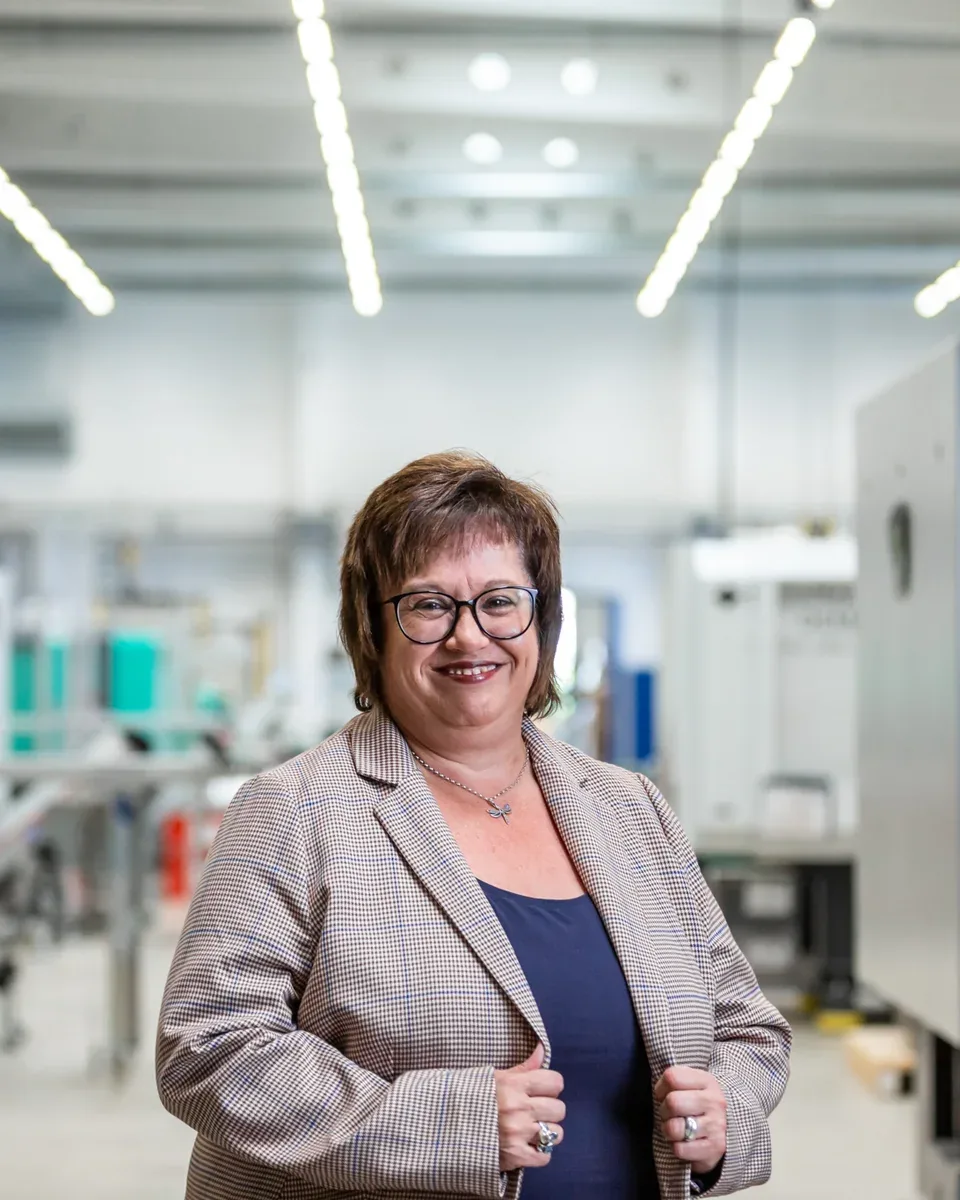
Magdalena Welscher
Magdalena Welscher manages the operational procurement of materials and bought-in parts. She is our suppliers' contact for orders, delivery dates and ongoing coordination.
- HR and Marketing
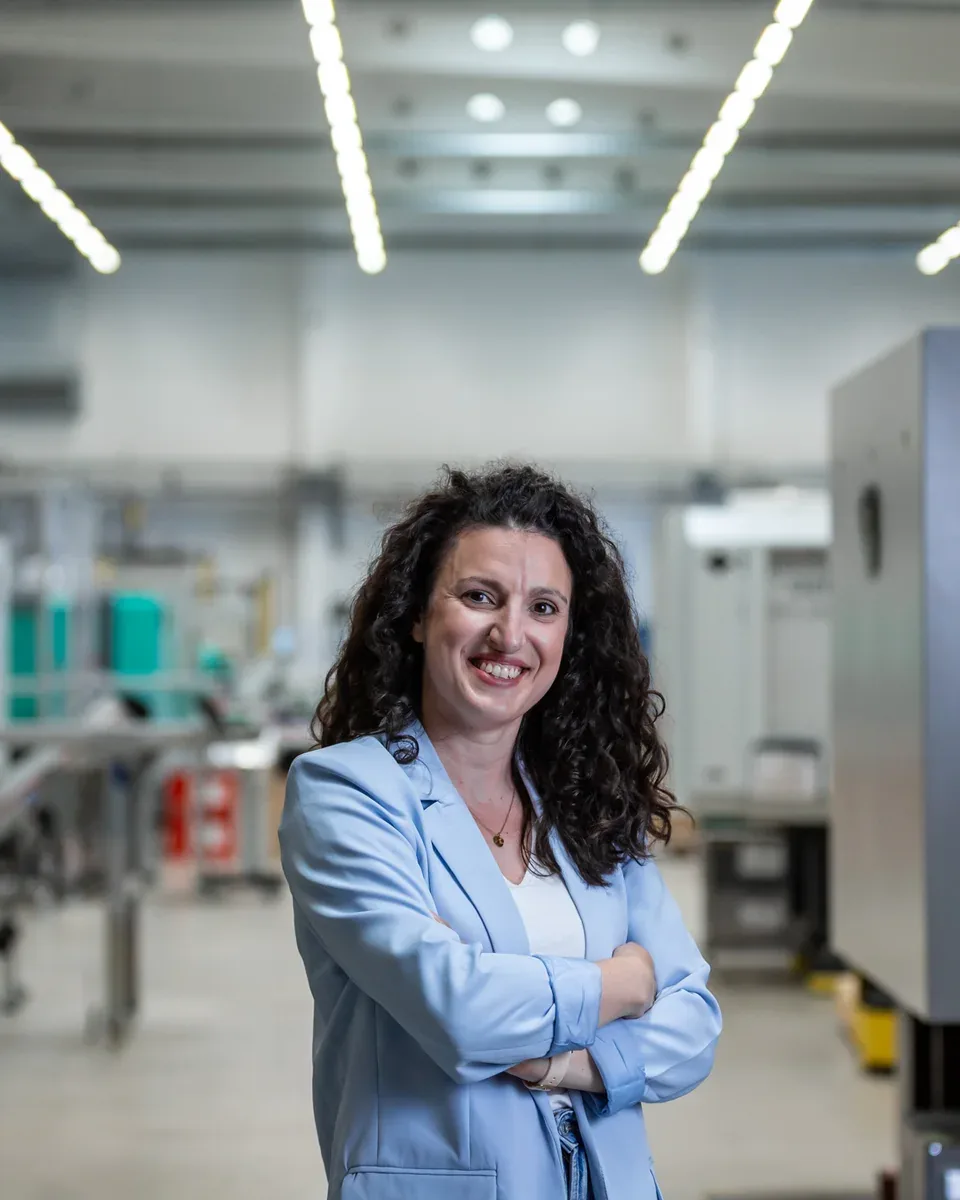
Julia Berisha
Julia Berisha handles payroll and application management and is responsible for marketing. She is the main contact for all applicants.
We buy the machines. Everything in between, we build.
We source injection moulding machines, presses, machining centres and robot systems from established manufacturers. What turns them into a production solution for exactly your component is created here: we design and build moulds, fixtures, module heads, gripper systems and component-specific automation in-house.
“We have been looking for years for someone who can do this.”
That is how a global leader in automation came to us. The task was to integrate a light guide reliably into a robust plastic component and to design the process for series production. We are called in when standard solutions reach their limits.
Joining metal and plastic reliably
In insert, outsert and hybrid components, metal inserts and thermoplastics become one functional unit. We match geometry, material selection and process control to the mechanical and thermal loads and the required media resistance.
Automated night-time production
Automatic material supply and robot-assisted handling allow suitable series to run unattended, even outside regular working hours.
Our equipment
21 injection moulding machines, four automatic stamping and bending machines, additional eccentric presses and robot-assisted production cells on 5,000 m² of production space.
Injection moulding
21 injection moulding machines for 1K, 2K, insert/outsert and metal-plastic hybrid components, including modern all-electric machines.
Stamping and bending technology
Four automatic stamping and bending machines and additional eccentric presses for a range of stamping and forming tasks.
Automation
Handling systems on every injection moulding machine: from linear gantry robots to six-axis articulated robots, complemented by component-specific production cells.
Toolmaking
CAM workstations, CNC machining centres, wire and sinker EDM, surface grinding and turning for moulds, fixtures, modifications and repairs.
Finishing
CNC-controlled pad printing, hot foil stamping, ultrasonic welding and machining in-house.
Quality
Certified to DIN EN ISO 9001. In-house measuring room with optical and tactile coordinate measuring technology, 3D scanning and CAD target/actual comparison, plus measuring microscopes and hardness, force and torque measurement.
Quality
Quality is built into the process. Not just into the final inspection.
Binding inspection plans, documented releases and in-process checks safeguard our processes from goods receipt to delivery. We detect and correct deviations where they arise, before components leave our plant. Our quality management is certified to DIN EN ISO 9001.
1.47ppm
Across all assemblies delivered, our customer complaint rate in the 2025 financial year was 1.47 ppm. Mathematically, this equals 1.47 rejected parts per million parts delivered.
Quality management
Certified to DIN EN ISO 9001 by LL-C (Certification).
Energy management SpaEfV
certified energy management system since 2012.
How we assure quality
- Goods receipt inspection and article-specific inspection plans for all production stages
- Production release for every order documented electronically in the ERP system
- In-process checks and documented inspection results
- Initial sample inspection reports (ISIR)
- In-house measuring room with optical and tactile coordinate measuring technology, 3D scanning with CAD target/actual comparison, measuring microscopes and hardness, force and torque measuring equipment
- Inspection equipment management and structured complaint handling
Sustainability
Made in Marktrodach. Powered by our own roof.
We do not claim to be the most sustainable company in the industry. We focus on concrete measures and measurable results.
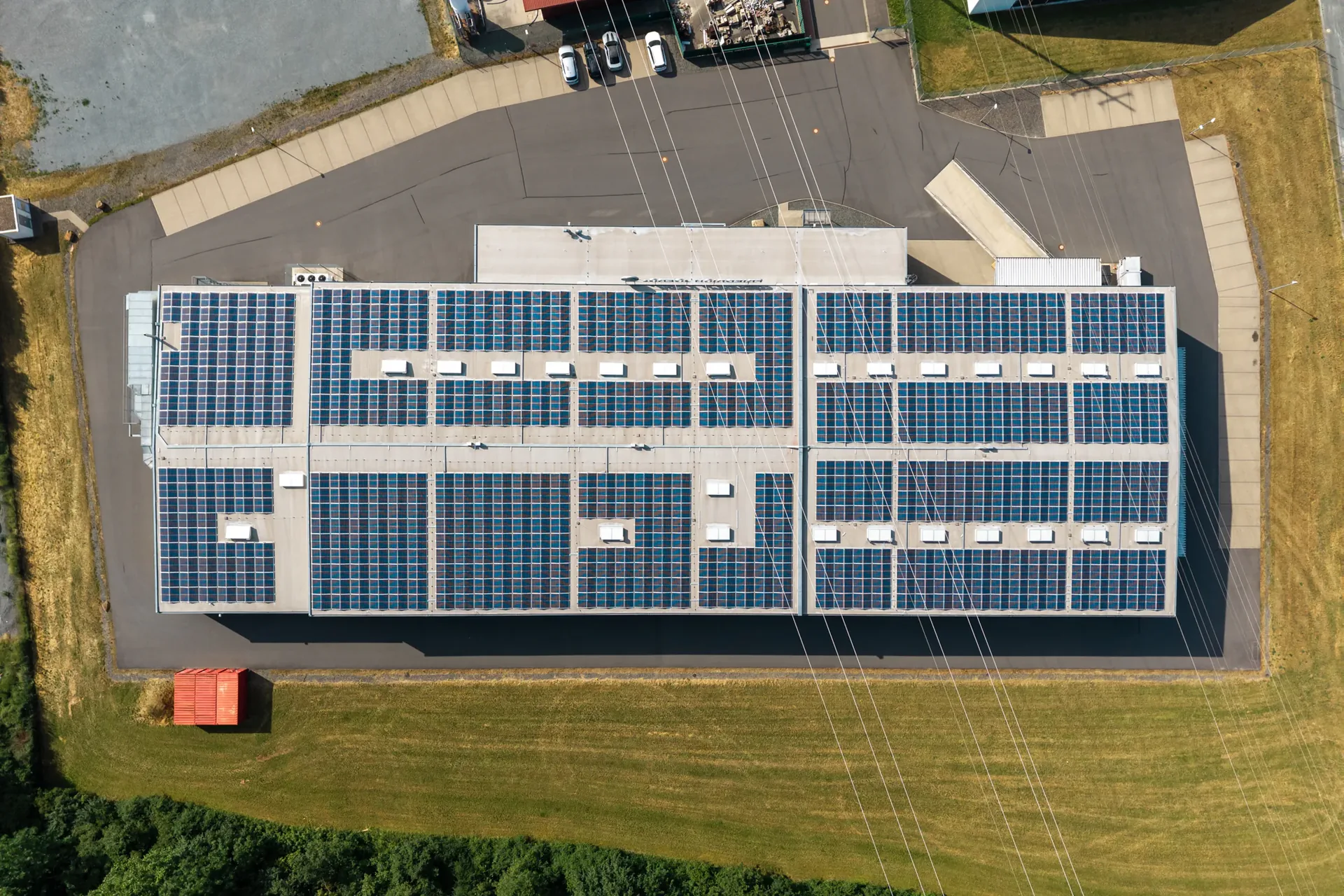
Rooftop photovoltaic system · new building “Im Gries”, Marktrodach
430kWp
Installed PV capacity.
We have been generating solar power on our own roof since 2019.
around 400,000kWh
Solar power per year.
That is how much electricity our photovoltaic system generates on long-term average.
up to 40%
of annual electricity demand.
Depending on production utilisation, the electricity generated covers around a third to 40 per cent of our annual electricity demand.
around 270tonnes CO₂e
net avoided each year.
Through generating around 400,000 kWh of solar power per year.
Basis of calculation: net avoidance factor for photovoltaic electricity of the German Environment Agency (Umweltbundesamt), reference year 2024.
What we actually do
- Solar power generation on our own roof
- Efficient use of energy in production and building services
- Waste separation and resource-conscious use of materials
- Material-efficient packaging solutions
- Short transport routes thanks to a high level of vertical integration on site
- Energy management to SpaEfV (since 2012)
Contact
Who would you like to speak to?
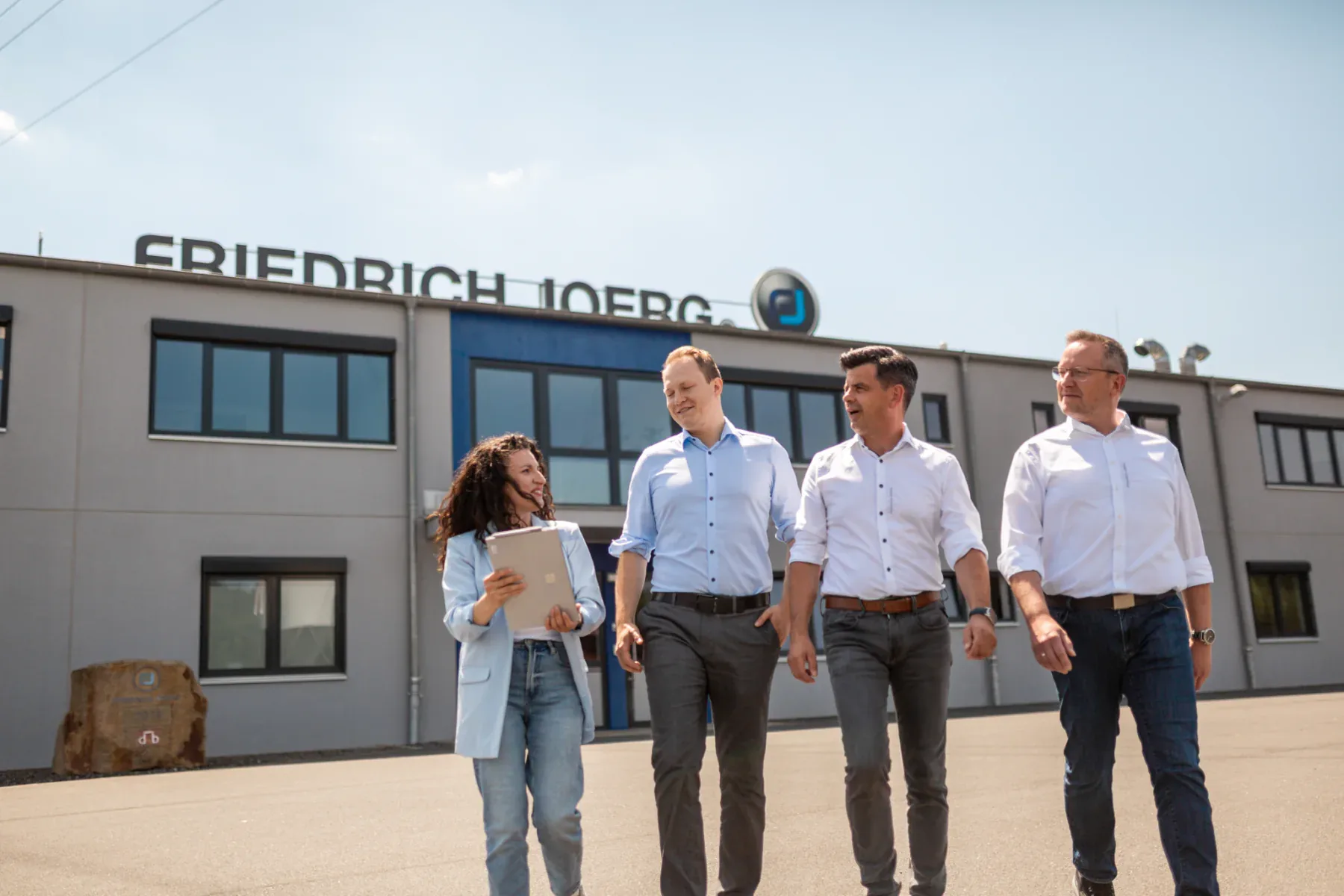
To the people who understand your assembly and make decisions. Tell us what you are planning.