A connector with consequences
A connector intended for the French market was causing a customer considerable problems with its supplier at the time. For the customer, it was a central component on whose reliable availability and function significant parts of the business depended.
Because of this importance, the customer’s management eventually stepped in. They approached FJ directly and asked whether the company could provide support at short notice, fundamentally revise the existing design and then also take over production.
Compatible and completely redesigned
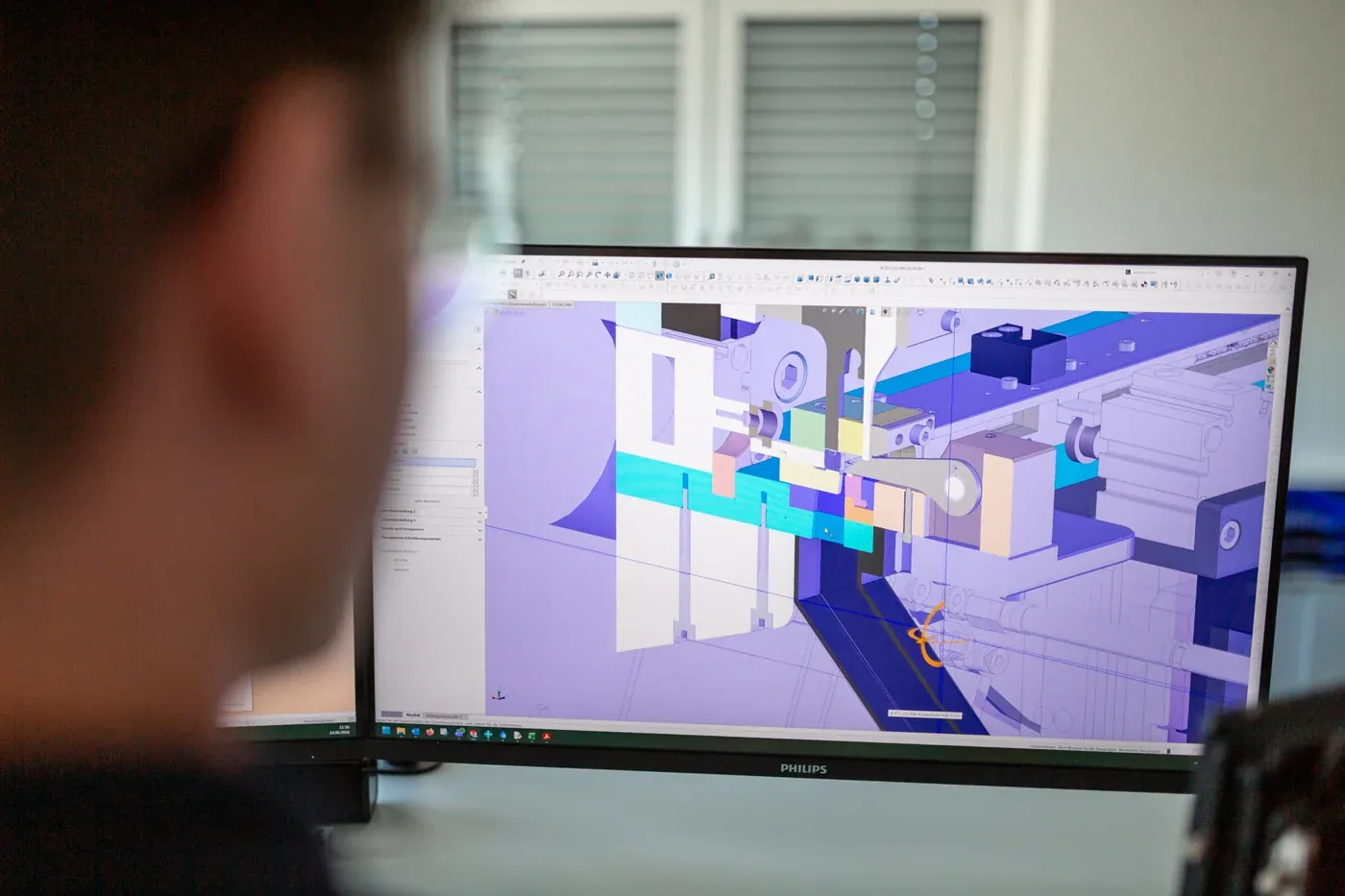
FJ had not manufactured this connector before. The company took on the task and redesigned the component from scratch. Even so, the new version had to remain compatible with the existing system. To achieve this, Thomas Püls Senior transferred the principle of a lift clamp, familiar from the ignition devices, to the new application.
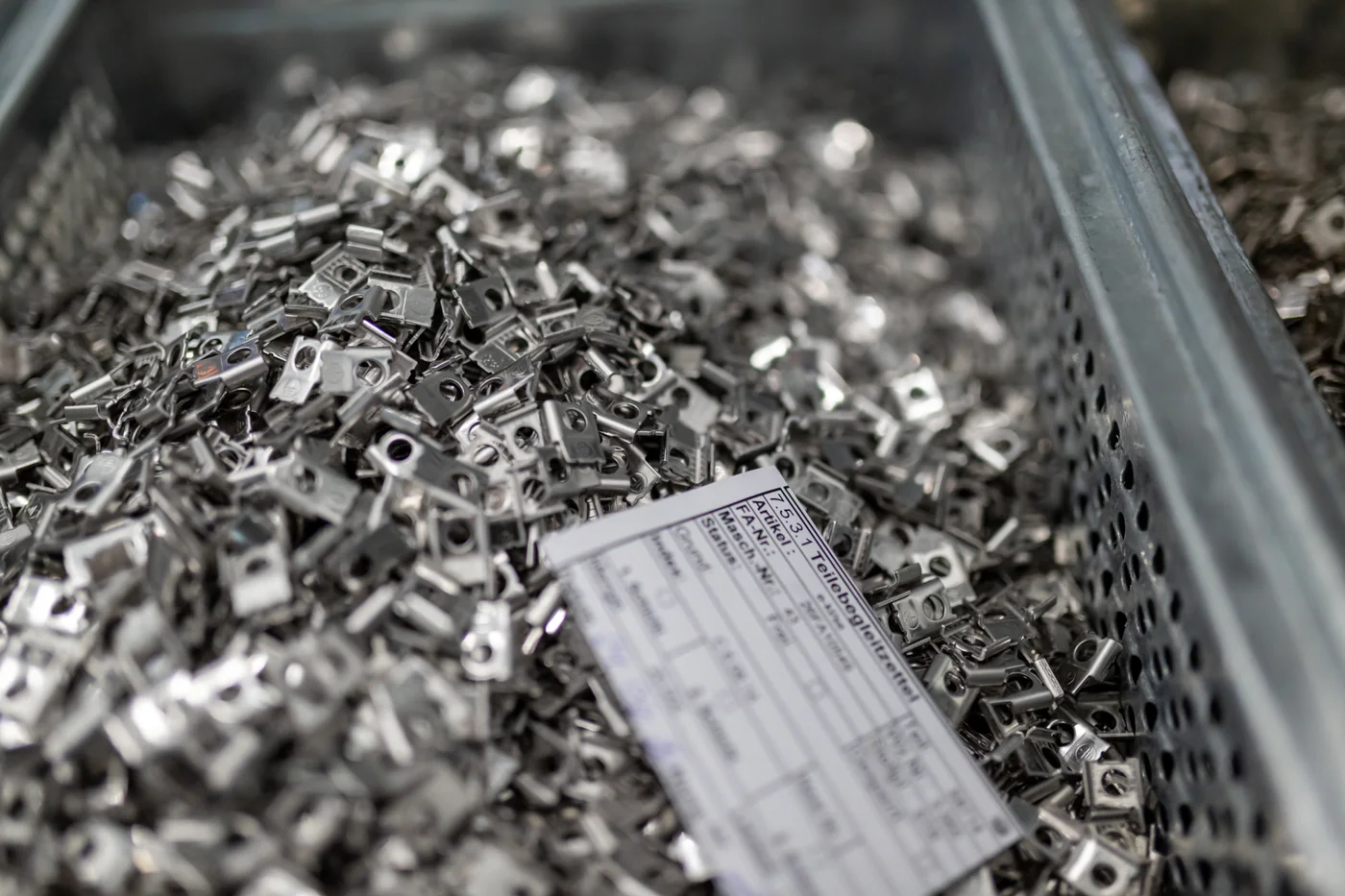
The external earthing bracket was also redesigned. In the previous design, it could get lost during assembly. FJ therefore integrated it into the inside of the housing. This was demanding in production terms, but for the customer it meant one less separate part that had to be provided, fitted or could get lost.
Saying early on what will not hold up
This experience also shapes other development projects. In a two-component project, the rigid component was first moulded, then transferred by a robot and partially overmoulded with a soft component. Thomas Püls Senior reviewed the design and the associated data and told the developer early on that the intended component would not seal.
He already knew the underlying pattern from the inner cover of the first decentralised inverter, around thirty years earlier. In his view, additional screw points and ribbing were necessary. Beneath the seal, flat support was also needed so that the contact pressure is distributed evenly and the seal can work reliably.
For reasons of time, the customer decided to take the project to sampling as planned. The original version failed the test. Afterwards, the material was changed and an additional rib was added. This is precisely where the value of a development partner lies: not just reacting to a drawing, but recognising early on what will actually hold up later in the mould, in testing and in series production.
“I looked at the part and the data and said clearly: that will not seal.”