The challenge
A development can be technically elegant and still fail if it becomes too expensive, a mould does not work reliably or the process cannot be controlled in series production.
Thomas Püls Senior sums up the requirement: a technically convincing solution alone is not enough. The development effort, the investment and later manufacturability must also be right. That is why, at FJ, the question of suitability for series production does not only arise once the design is complete.
Our solution
FJ pursues a practical approach to development. The aim is not novelty at any price, but a technically robust solution with appropriate means. Costs, tooling concept, machine design, assembly and later process stability are considered from the outset.
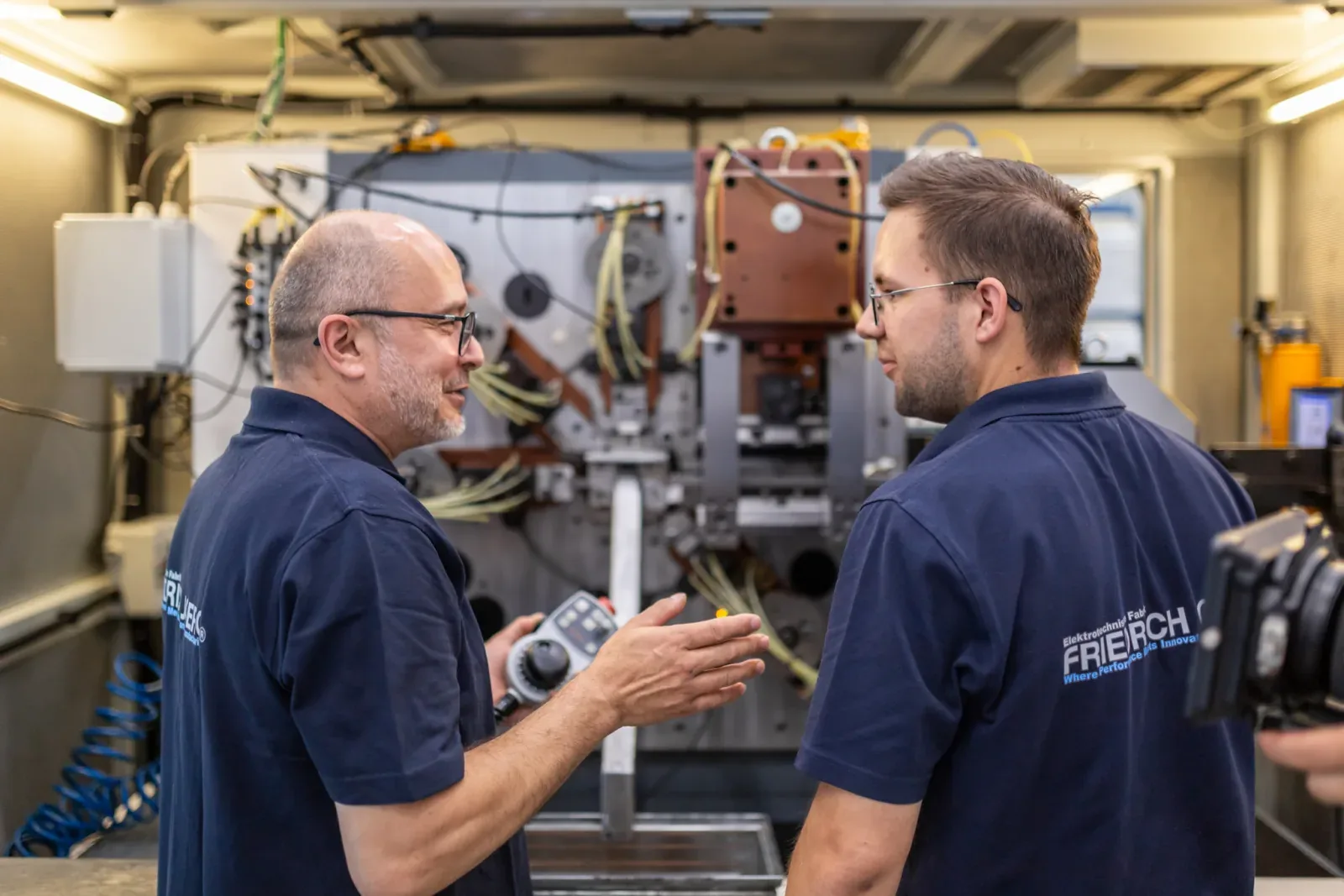
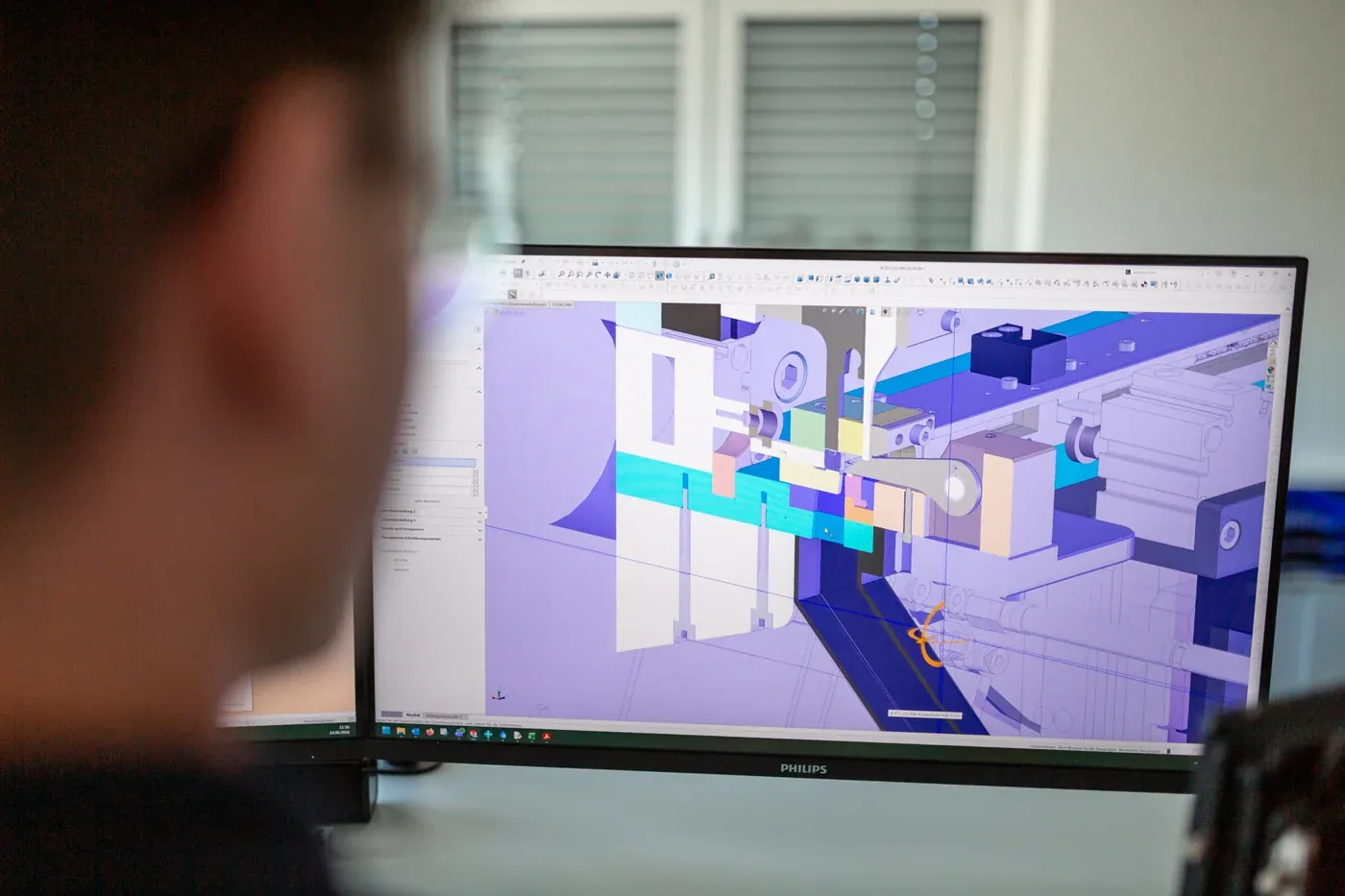
In FJ’s own special-purpose machine building, this can be seen, for example, in an in-house developed machine for multi-pole terminals. Depending on the number of poles, the machine approaches the same assembly and screwing station as often as the component requires. This means that a separate station is not needed for each number of poles. FJ also developed the assembly system required for this itself and later switched the drive from a stepper motor to a servo motor.
This way of working includes preparing technical alternatives early on. For moulds and special-purpose machines, it is therefore assessed how a chosen concept can be adapted later without having to start from scratch again. Proven components can also be used for a different task and existing solutions deliberately recombined.
One example was a large plastic housing with very small pins intended to actuate a keypad underneath. Even during development, it was critically assessed whether these delicate geometries could be produced with lasting stability and used reliably. An alternative was therefore taken into account in the mould concept from the outset: should the pins not prove themselves in series production, the design could be adapted and a control foil for the keypad underneath provided instead. The alternative path was thus prepared and was later actually implemented, without having to develop a completely new mould concept.
The result
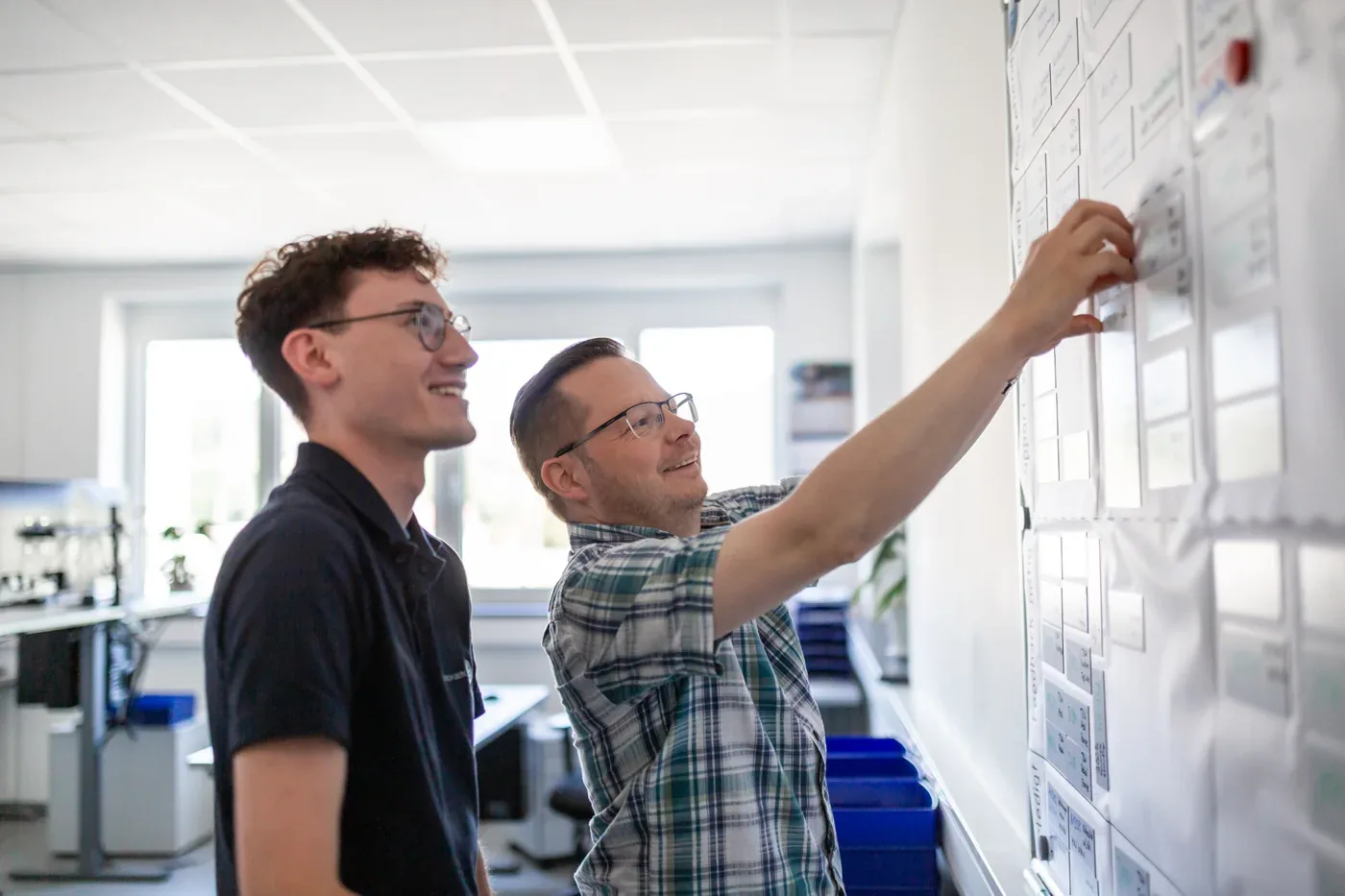
Thomas Püls Senior always thinks of projects in three stages. Plan A is the preferred technical and economic path. Plan B is a prepared alternative in case an assumption from plan A is not confirmed in testing or series production. Plan C describes the way back to a controllable solution if fundamental prerequisites unexpectedly fall away.
What matters is not designing as many variants as possible. What matters is recognising early on at which points a project can become critical, and preparing sensible options for change there. This does not produce inventions that only work on screen, but solutions that can actually be built, adapted and manufactured over the long term.
“A technically convincing solution alone is not enough. The development costs and later manufacturability must also be right.”